Speakers and Abstracts
(Speakers are listed in the order of the programs’ sessions)Keynote Lecture: Early Diagnosis and Preventive Screening for Rare Diseases in the Middle East
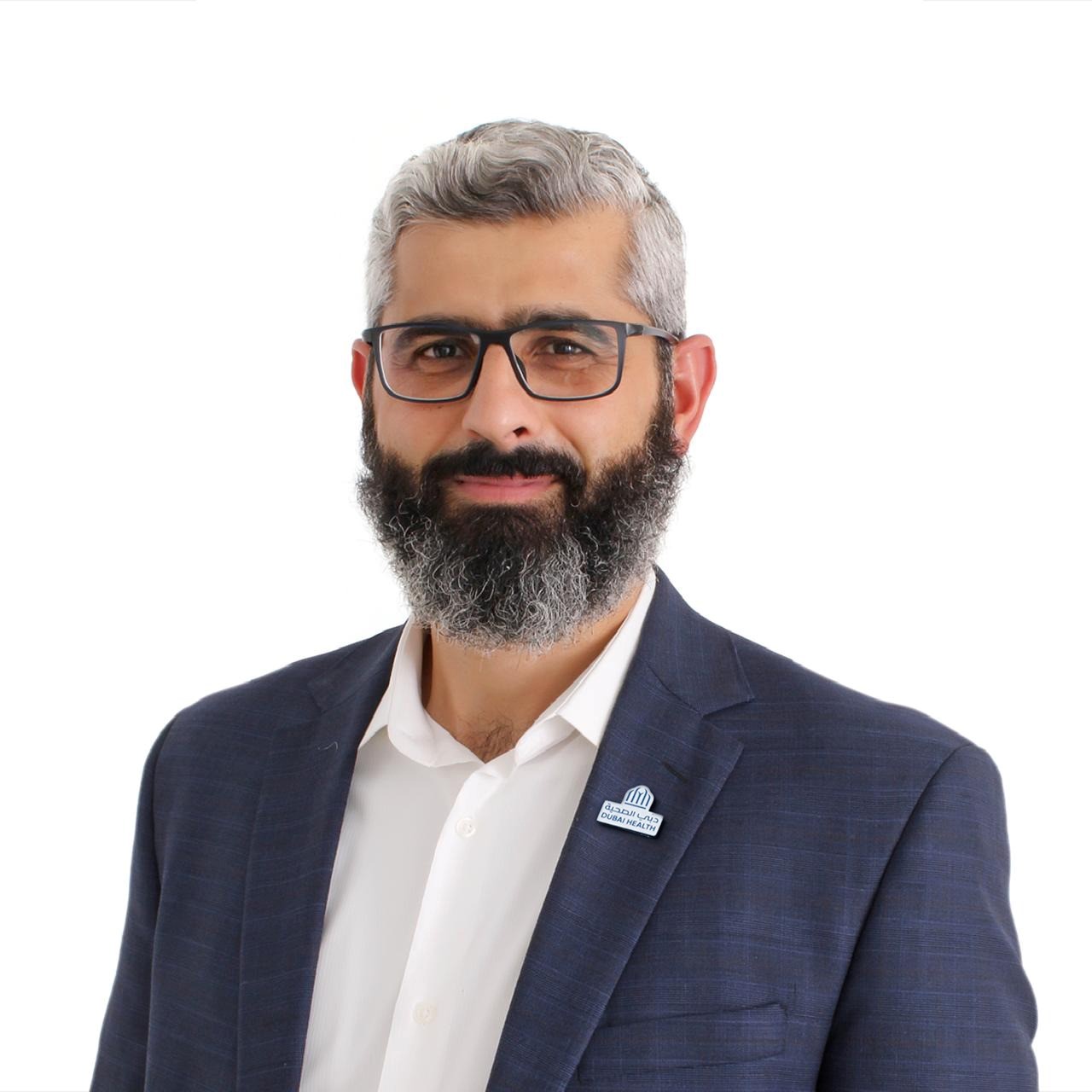
Ahmad Abou Tayoun, PhD, FACMG
Dr. Abou Tayoun is the Director of the Dubai Health Genomic Medicine Center, and an Associate Professor of Genetics at Mohammed Bin Rashid University of Medicine and Health Sciences. He completed his doctoral studies in genetics at Dartmouth College, followed by a fellowship in molecular diagnostics at Dartmouth Medical School. In 2013, he joined Harvard Medical School where he completed his clinical molecular genetics fellowship and, in 2015, became board-certified by the American Board of Medical Genetics and Genomics (ABMGG). Dr. Abou Tayoun is a fellow of the American College of Medical Genetics and Genomics (ACMGG).
Prior to joining Al Jalila Children’s Hospital at Dubai Health, he was a director in the Division of Genomic Diagnostics at the Children’s Hospital of Philadelphia, and also an assistant professor of Pathology and Laboratory Medicine at the University of Pennsylvania Perelman School of Medicine. At Al Jalila Children’s, Dr. Abou Tayoun established the Genomics Center of Excellence, the first comprehensive, CAP-accredited pediatric genomic diagnostics facility in the UAE. The center has now expanded to integrate genomic medicine across Dubai Health ecosystem.
Dr. Abou Tayoun’s main research interests are centered around characterizing the genomic landscape of rare pediatric diseases in the Middle East, including the discovery of novel gene-disease associations. In addition, his research focuses on implementing new technologies or approaches to enable faster and more effective integration of genomic medicine in the Middle East.
Dr. Abou Tayoun serves on several expert groups in his field. He is a co-chair of the Clinical Genome Resource (ClinGen) Hearing Loss Expert Group, a member of the ClinGen Sequence Variant Interpretation (SVI) group, a member of the American College of Genetics and Genomics Interpreting Sequence Variants (ISV) workgroup, and an associate member of the Human Pangenome Consortium. He was also recently appointed as chair of the WHO genomics advisory group. In those capacities, Dr. Abou Tayoun is working with international experts to establish guidelines and recommendations for sequence variant interpretation in genomic diagnostic settings. He has authored or co-authored over 100 peer-reviewed publications in his field.
Abstract
Rare diseases impose a disproportionate health burden across the Middle East, driven in part by high consanguinity rates, large family sizes, and limited regional genomic data. Data from the Genomic Medicine Center at Dubai Health, an integrated academic healthcare system, will be presented, highlighting the development of a genomics-based framework spanning large-scale diagnostics, rapid critical care sequencing, and population-level prevention.
Findings from genomic investigations of over 7,000 patients with suspected rare diseases originating from more than 40 countries across the Arabian Peninsula, the Levant, and North Africa will be presented. Diagnostic yield, clinical indications, age at diagnosis, and the regional genetic landscape will be analyzed, providing one of the largest datasets from this population and highlighting opportunities for earlier and more precise diagnosis.
Outcomes from the first rapid whole genome sequencing (rWGS) program implemented for critically ill neonates and children within a Middle Eastern healthcare system will be reported. Among more than 100 NICU and PICU patients, rWGS demonstrated high diagnostic yield, shortened time-to-diagnosis, and significant clinical utility impacting acute management, supporting its integration as a first-tier diagnostic tool for critically ill patients in Middle Eastern settings.
Finally, the first global implementation of a mandatory citywide premarital genomic screening program in Dubai will be described, involving sequencing of 782 genes associated with autosomal recessive disorders. Early results from the first 1,000 couples demonstrate feasibility and effective integration into public health infrastructure.
Together, these initiatives establish a scalable model transitioning genomic medicine from reactive diagnosis to proactive prevention in the Middle East.
Lecture 1: 30 years of Newborn Screening in Lebanon: Challenges, Perspectives and the Impact of the Recent of Economic Crisis and War
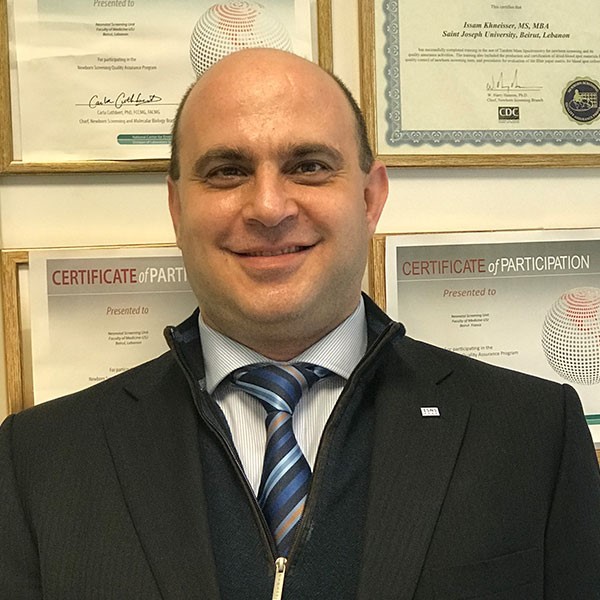
Issam Khneisser, PhD
Dr. Khneisser is a Lebanese researcher and expert in newborn screening. He directs the Newborn Screening Laboratory at Saint Joseph University in Beirut and is a recognized figure in the MENA region for public health genetics programs. A leading voice in newborn screening, he combines scientific research, operational leadership, and regional public health advocacy to improve the health of newborns in Lebanon and throughout the MENA region. He received the Jean Dussault Medal in 2008 for his contribution to newborn screening. He served two terms on the board of directors of the International Society for Newborn Screening (ISNS), representing the Middle East and North Africa, and continues to be actively involved in regional initiatives to improve screening programs. His operational leadership has established the Saint Joseph University laboratory as a regional reference center, supporting diagnostics in numerous countries, including Oman, Iraq, Algeria, Tunisia, Morocco, and Vietnam. His research focuses on newborn screening using blood sampling, inborn errors of metabolism, and metabolic diseases. He has also contributed to studies on population-specific mutations, the regional prevalence of metabolic diseases, and best practices in public health screening. He has been actively involved in international collaborations and has co-authored several publications on newborn screening, including in the International Journal of Neonatal Screening, covering initiatives in the MENA region. Thanks to his efforts, newborn screening programs have developed systematically, progressing from pilot studies to more comprehensive panels using tandem mass spectrometry. He has contributed to establishing quality standards, implementing training programs, and creating technical collaborations to improve early detection and care for newborns.
Abstract
Newborn screening (NBS) in Lebanon began in 1995 as a non-mandatory, fee-based program, expanding from 4 to 30 diseases in 2006 with tandem mass spectrometry. Coverage reached ~50% before the 2019 economic crisis. To date, USJ has screened 485,000 newborns, diagnosing significant numbers of congenital hypothyroidism (CH), hyperphenylalaninemia, MSUD, and other metabolic disorders.
Following the economic collapse and declining birth rates, annual screenings and diagnosed cases decreased, suggesting under-diagnosis. After the recent war, CH incidence rose markedly, highlighting concerns about iodine deficiency and weak enforcement of iodized salt regulations.
Objectives: Review 30 years of NBS outcomes in Lebanon; assess the impact of the economic crisis and war on screening coverage and disease detection; and emphasize the need for mandatory nationwide NBS with sustainable public funding (~$600,000 annually) to ensure universal coverage and reduce long-term healthcare costs.
Lecture 2: SMA: Newborn Screening for SMA in France
Isabelle Desguerre, MD, PhD
Isabelle Desguerre is a neuropediatrician and works at the Paediatric Neurology Department of the Necker-Enfants Malades University Hospital.
Abstract
Background: Spinal muscular atrophy (SMA) is a rare, severe autosomal recessive neuromuscular disorder caused by pathogenic variants in the SMN1 gene. The availability of effective disease-modifying therapies has highlighted the importance of early, presymptomatic diagnosis.
Methods: Newborn screening (NBS) for SMA has been progressively implemented in France following successful pilot programs. Screening is conducted using dried blood spots and molecular testing to detect homozygous deletion of exon 7 of SMN1. Infants with positive screening results undergo confirmatory testing and are promptly referred to specialized care centers.
Results: Early implementation data demonstrate high sensitivity and specificity, low false-positive rates, and successful integration into the national newborn screening framework. Initiation of treatment during the presymptomatic phase is associated with improved motor outcomes and survival compared with post-symptomatic diagnosis.
Conclusion: Newborn screening for SMA in France enables early identification and timely intervention, representing a significant advancement in disease management and improving clinical outcomes for affected infants.
Lecture 3: Genetic Carrier Burden Assessed in Neonatal Screening Genes: Evidence of Elevated Pathogenic Variant Frequency in the Lebanese Population
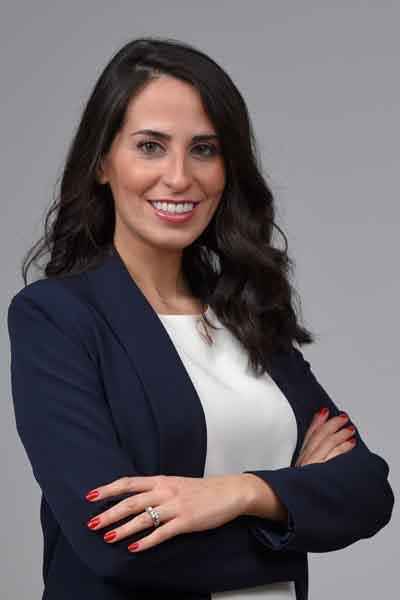
Cybel Mehawej, PhD
Dr. Cybel Mehawej earned her PhD in genetics from Paris Descartes University in 2013 then completed her postdoctoral training in Immunogenetics at Boston Children’s Hospital, Harvard Medical School. She is currently Associate Professor at the Gilbert and Rose-Marie Chagoury School of Medicine at the Lebanese American University.
Dr. Mehawej’s research focuses on the genetic basis of inherited diseases, with a special focus on inborn errors of immunity. She contributed to the discovery of several novel genes, and has authored more than 50 peer-reviewed publications, presented her work at international scientific meetings, and received several distinctions, including the Franco-Lebanese Medical Association Excellence Award (2012), the ASHG Resource-Limited Country Award (2023), and the L’Oréal-UNESCO For Women in Science Levant Young Talent Award (2023).
Abstract
This talk presents the first exome sequencing-based evaluation of genes relevant to newborn screening programs in the Lebanese population. Our study highlights the presence of clinically significant variants in genes associated with metabolic disorders and severe primary immunodeficiencies, including conditions not currently covered by the national screening panel. It also addresses the unique challenges of implementing genomic-based screening in Lebanon. Together, these findings underscore the importance of integrating population-specific genetic data into national screening strategies to enable more precise, evidence-based policies and improve early detection of genetic diseases.
Lecture 4: Addressing Bottlenecks in Gene Therapy Trials and an Opportunistic Window for Advancing Accessibility in the MENA Region
Joy Ismail, PhD
Dr. Ismail is a neuroscientist with expertise in genome biology and epigenetics. She currently serves as a Scientific Manager at Sano Genetics, where she leads scientific content strategy and contributes domain expertise to precision medicine programs. Dr. Ismail previously held research appointments at the UK Dementia Research Institute, across Imperial College London and King’s College London, where she led large-scale projects focused on epigenetic regulation in neurodegenerative diseases. Her academic training includes postdoctoral research at VIB–KU Leuven, where she conducted research on gene regulation using single-cell genomics approaches. In addition to her academic career, she has worked across startup and industry environments, including R&D roles and scientific consulting for biotechnology and pharmaceutical organizations.
Abstract
Recent advances in gene therapy have led to major breakthroughs in the treatment of rare diseases. As gene therapy enters a more mature phase, practical limitations have emerged as major barriers to broader translation. Key challenges include identifying and engaging geographically dispersed patients and reducing the burden of participation for patients and families. In parallel, systematic gaps across diagnostic pathways, trial infrastructure, and real-world access continue to restrict the availability of gene therapies to a small number of countries and clinical centers. Addressing these gaps will be critical to aligning diagnosis, trial participation, and access, and to extending the impact of gene therapy in rare disease.
Lecture 5: Therapeutic Options for the Rare Diseases
Diana Hanna, MD, PhD
Dr. Hanna is a pediatric hematologist oncologist with over 15 years of clinical experience and more than 10 years in international clinical research. She earned her MSc and PhD in Pediatric Hematology and Oncology from Zagazig University, Egypt.
Dr. Hanna serves as Head of Feasibility, Medical Director, and Clinical Research Monitor at Phoenix Clinical Research. She has contributed as a Sub-Investigator in multiple multicenter international trials and has published widely across hematology, oncology, immunology, cardiology, nutrition, and infectious diseases.
Abstract
Rare disease patients frequently experience a prolonged and complex pathway from the onset of symptoms to a confirmed diagnosis, often described as the “diagnostic odyssey.” This presentation will examine the pivotal stages along this pathway where patients are most commonly lost, limiting their access to potentially transformative clinical trials. It will analyze the multidimensional barriers that contribute to this attrition, including delayed or missed diagnoses, limited disease awareness among healthcare providers, geographic and infrastructure constraints, participation burdens placed on patients and caregivers, and the inherent challenges of trial design and recruitment within small, heterogeneous populations.
By identifying these critical gaps, the session highlights practical and collaborative strategies to strengthen the transition from diagnosis to trial enrollment, improve equitable access to research, and accelerate therapeutic progress in rare diseases.
Lecture 6: Hypercholesterolemia and Sitosterolemia
Georges Nemer, PhD
Dr. Nemer is a distinguished Professor of Genomics and Translational Biomedicine at the College of Health and Life Sciences, Hamad Bin Khalifa University (HBKU), Doha, Qatar. He earned his PhD in Pharmacology from the Université de Montréal, Canada, and has since built a formidable career in academia and research, emphasizing precision medicine, molecular genetics, and genomics.
Dr. Nemer has held pivotal roles in academic leadership, including serving as Interim Dean of HBKU’s College of Health and Life Sciences (2022-2023), Associate Dean for Research (2023-2025), and heading the Genomics and Translational Biomedicine division (2019-2022). Prior to joining HBKU, he was a professor at the American University of Beirut (AUB), where he directed the Molecular Core Facility and co-directed the Congenital Heart Disease Genetic Program, among other influential positions.
A prolific researcher, Dr. Nemer has contributed extensively to the understanding of the genetic and molecular mechanisms underlying rare and common diseases. His work, particularly in congenital heart defects, cardio-cutaneous syndromes, hypercholesterolemia, and vitamin D deficiency, is widely published in leading peer-reviewed journals. He mentored more than 45 graduate students and 20 postdocs in biochemistry and molecular genetics, in addition to16 classes of Med I students.
He has published over 150 papers and book chapters in areas related to Congenital Heart Diseases and other inherited rare genetic disorders (Google Scholar: 130+ pubs, Total Citations ~ 7000, h-index 36, i10-index 97).His contributions have been recognized with numerous accolades, including the Paul Dudley White International Scholar Award and the Wayne G. Watson Award for Biologic or Experimental Research.
Dr. Nemer’s academic service extends to mentorship, curriculum development, and membership on prestigious committees and boards, including editorial roles for high-impact journals like Scientific Reports and Frontiers in Cardiovascular Medicine. He is also an elected member of the Royal Society of Medicine (UK) and Sigma Xi.
In addition to his academic and scientific endeavors, Dr. Nemer is deeply committed to fostering innovation, advancing interdisciplinary collaborations, and promoting excellence in education and research. His visionary approach continues to shape the fields of genomics and precision medicine.
Abstract
Rare genetic disorders, while individually uncommon, present a significant collective health burden, particularly in populations shaped by founder effects and consanguinity. This talk explores two distinct, yet clinically overlapping, lipid disorders—familial hypercholesterolemia (FH) and sitosterolemia—to illustrate the power of ancestry-informed genomics in refining diagnosis and guiding precision therapy in the Middle East.
Our journey begins in Lebanon, where a single founder mutation, the LDLR c.2043C>A (p.Cys681* or “Lebanese allele”), is responsible for a large proportion (~82%) of FH cases. This nonsense mutation, leading to a loss-of-function receptor, typically results in severe, early-onset hypercholesterolemia requiring aggressive management like apheresis. Our research highlighted, however, a variable phenotypic expression, finding this allele even in some normocholesterolemic individuals, thereby challenging a strict genotype-phenotype correlation and emphasizing the role of modifier genes like PCSK9.
We then shift our focus to Qatar, where our recent population-scale study has revealed a marked enrichment of pathogenic variants in the ABCG5 and ABCG8 genes, the cause of sitosterolemia. Traditionally considered an ultra-rare disease (global burden ~1:383,744), the estimated disease burden in Qatar is over 50 times higher (~1:7,236). This enrichment, linked to population structure and high consanguinity, means sitosterolemia frequently phenocopies FH in clinical settings, as routine lipid panels don’t measure plant sterols.
The crucial distinction is therapeutic: sitosterolemia responds effectively to ezetimibe and dietary restriction, whereas statins are the primary treatment for FH.
In conclusion, these “sterols’ tales” from Lebanon and Qatar underscore that population-specific genetic landscapes are critical for accurate diagnosis and optimal patient care. We advocate for the integration of ancestry-informed genetic screening and reflex plant-sterol testing into dyslipidemia diagnostic workflows to prevent misdiagnosis and enable timely, effective interventions.
Lecture 7: Cardiogenetics in Pediatrics

Christelle Tayeh, MD
Dr. Tayeh is a Pediatrician affiliated with the Lebanese American University (LAU). She is involved in clinical care, teaching, and academic activities within the Department of Pediatrics, contributing to the training of medical students and residents while promoting excellence in child health.
Abstract
Cardiogenetics in pediatrics addresses the identification and management of inherited cardiovascular disorders presenting during infancy, childhood, or adolescence. Advances in molecular and genomic technologies have improved the ability to detect pathogenic variants associated with cardiomyopathies, channelopathies, and congenital heart diseases, enabling more accurate diagnosis and risk stratification. Early genetic evaluation supports informed clinical decision-making, including individualized surveillance strategies, medical management, lifestyle guidance, and preventive measures aimed at reducing the risk of adverse outcomes such as sudden cardiac death. Integration of genetic testing into pediatric cardiology practice facilitates family counseling and cascade screening, contributing to comprehensive care. Despite these advances, challenges remain in variant interpretation, ethical considerations related to testing in children, and the long-term follow-up of genotype-positive individuals. Ongoing education is essential to support the appropriate application of cardiogenetics in pediatric cardiovascular care.
Lecture 8: New Concepts Shaping Genetics: Rethinking What we Thought we Knew
Eliane Choueiry, PhD
Dr. Choueiry is Professor of Human Genetics at the Gilbert and Rose-Marie Chagoury School of Medicine at the Lebanese American University. Her research focuses on identifying genes involved in inherited disorders, particularly intellectual disabilities, neurodegenerative diseases, and hereditary deafness. She has contributed to the discovery of several disease-causing genes. Dr. Chouery has authored more than 140 peer-reviewed publications with a strong impact in the field of human genetics.
She is actively involved in advancing genomic medicine in Lebanon. Her current work focuses on age-related hearing loss and precision genetics, as well as developing advanced genetic diagnostic approaches aimed at improving the care of patients affected by rare diseases.
Abstract
Genetics has rapidly evolved beyond the classical view of Mendelian inheritance toward a more complex understanding of genomic function. Advances in next-generation sequencing and multi-omics technologies have revealed the importance of regulatory networks, epigenetic mechanisms, and gene-environment interactions in shaping disease expression. Concepts such as variable penetrance, mosaicism, and non-coding variants are reshaping genotype-phenotype correlations.
In parallel, discoveries involving structural variants, repeat expansions, RNA regulation, and somatic mutations are expanding the spectrum of disease mechanisms and redefining diagnostic approaches. These advances are driving the transition toward precision medicine through the integration of genomic, clinical, and functional data.
This presentation will explore key paradigm shifts that are transforming modern genetics, highlight illustrative clinical and research examples, and discuss the implications of these evolving concepts for diagnostic strategies, and patient care. By revisiting established principles through the lens of recent scientific advances, this talk aims to provide a forward-looking perspective on the future of genetics in both research and clinical practice.
Lecture 9: Genetic Landscape of Charcot-Marie-Tooth in Lebanon: Results from a 25-year Cohort Follow-up Study
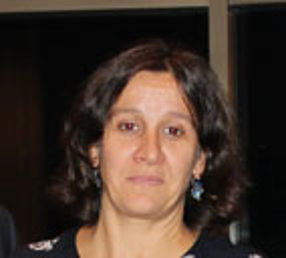
Valerie Delague, PhD
Dr. Delague is currently leader of the research group “Genetics and Pathomechanisms of Inherited Peripheral Neuropathies (IPN)” in the translational Neuromyology team at Marseille Medical Genetics/U 1251 research unit in Marseille. She has been working on hereditary diseases of the peripheral nervous system, and more precisely on Charcot-Marie-Tooth disease, for many years, and has acquired a strong expertise in the field. By setting-up a network of geneticists, clinicians and molecular biologists from the Mediterranean basin and the Middle-East (Lebanon, Tunisia, Morocco, Palestine and Iran), and due to her previous expertise (7 years of research on consanguineous families in Lebanon), she focuses her research on autosomal recessive forms of CMT, which are more prevalent in populations with high consanguinity rates.
Through these collaborations, she has the opportunity to collect large inbred families affected mostly by autosomal recessive forms of CMT, and has been able to identify several genes mutated in different forms of CMT4 (autosomal recessive demyelinating CMT): CMT4F , due to mutations in PRX and CMT4H due to mutations in FGD4, dHMN due to mutations in VRK1, and more recently KCTD11, a new gene of autosomal recessive intermediate CMT;
Through the identification of new defective genes/proteins in the peripheral nerve, and the study of their function in normal and pathological conditions, she intends to better understand the physiopathology of IPNs and to identify treatments for these diseases. To this aim, she is developing several in vitro and in vivo (mouse) models. Her work led to the publication of more than 90 scientific papers in international peer-reviewed journals.
Finally, one striking issue in Dr. Delague’s career is her constant dedication toward developing collaborations between researchers from the Mediterranean areas (Lebanon, Tunisia, Algeria, Morocco and Palestine), and more importantly toward improving the nature of the “North/south”. In 2016, she was awarded with the Rammal medal, for her leading role in research in Molecular Genetics, her teaching and training of other researchers and for her continued efforts over many years to develop scientific collaborations between researchers from many countries in the Mediterranean area and to enhance global expertise in the treatment of genetic disorders.
Abstract
Charcot-Marie-Tooth (CMT), also known as Hereditary Motor and Sensory Neuropathy (HMSN), is one of the most common group of inherited neuromuscular disorders, with an estimated overall prevalence of 1 in 2,500 individuals, which however can vary considerably between regions and populations. This length-dependent peripheral neuropathy is clinically characterized by progressive muscular weakness starting in the distal extremities, foot deformities, loss of deep tendon reflexes, and mild to moderate distal sensory loss. CMT is classified into 3 major subgroups; demyelinating, axonal and intermediate type. Inheritance can be autosomal dominant, autosomal recessive or X-linked. The disease is clinically and genetically heterogeneous, with over 125 disease-causing genes identified to date. This genetic heterogeneity corresponds to a diversity of altered pathways highlighting the complexity of the PNS and strengthening the importance of identifying defective genes in IPN and studying the underlying physiopathological mechanisms. Here, I will present the results of genetics studies performed in a cohort of Lebanese patients and family during 25 years, including more than 120 patients from 90 families. This collaborative study involving several referral centers in Beirut, led to the identification of several new CMT causing disease genes and defining the genetic landscape of CMT disease in the Lebanese population.
Lecture 10: Expanding the clinical, Myopathologic, and Genetic landscape of Congenital Myopathies (CMYO)
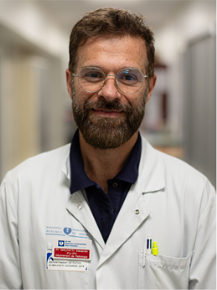
Edoardo Malfatti, MD, PhD
Dr. Malfatti is is a neurologist and neuromuscular histopathologist specializing in rare neuromuscular diseases, with expertise in translational research integrating clinical neurology, muscle pathology, genetics, and therapeutic development. He is Professor at Université Paris-Est and Director of the MUSKETHER laboratory (INSERM U995) at the Institut Mondor de Recherche Biomédicale.
His research focuses on congenital and genetic myopathies, genotype–phenotype correlations, and innovative therapies, including drug repurposing and gene therapy. He is Head of the Pathology Working Group of ERN-EURO NMD and will serve on the Executive Board of the World Muscle Society starting in 2025. He is also a visiting researcher at the University of Milan.
Professor Malfatti has authored over 160 peer-reviewed publications (H-index: 39), contributing significantly to advances in genetic diagnosis and translational research in rare neuromuscular diseases.
Abstract
Congenital myopathies (CMYOs) represent a genetically and clinically heterogeneous group of disorders characterized by early-onset muscle weakness and distinct myopathologic features. The advent of next-generation sequencing (NGS) has accelerated the identification of causative genes, leading to the discovery of novel CMYOs and thereby challenging the traditional classification. In this talk I will focus on the clinical, myopathologic, molecular and pathophysiological features of 33 newly identified CMYOs and described the novel ASCC3-related congenital myopathy.
Lecture 11: Towards accessible innovative therapies? the example of SMA
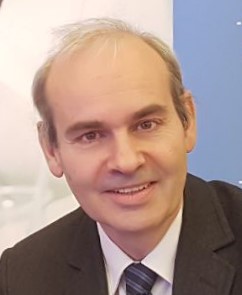
Andoni Urtizberea, MD, MSc
Dr. Urtizberea is a French physician trained in Paris University (1983-1987) and certified both in pediatrics and PMR (physical medicine and rehabilitation). After graduating in parallel from the “Institut d’Etudes Politiques de Paris” in 1987, he served many years as Medical Director of the AFM-Telethon and then as General Delegate of the “Institut de Myologie of Paris”. As Scientific Director of the European Neuromuscular Center in the Netherlands (ENMC, 1999-2005), and with the AFM-Téléthon’s support, he contributed to the establishment of many global networks in myology. He served till December 2019 as part-time clinical myologist in Hendaye Hospital, France (APHP trust) and as deputy coordinator of the French Neuromuscular Network (FILNEMUS) in Marseilles. Over the past twenty years, he headed various worldwide educational events dedicated to myology (in Europe, Russia, Latin America and, more recently in the Middle-East). He is currently a faculty at the Institut de Myologie of Paris, France, running the AcadeMYO project. Ideally located at the intersection of industry, patient advocacy groups and academia, his main objective is to raise more awareness about these rare conditions notably in emerging. In (2016), and together with Prof. Andre Megarbane (Beirut, Lebanon) and Dr. France Leturcq, he co-founded “Myologie Sans Frontières”, a non-profit NGO dedicated to neuromuscular patients in the emerging world.
Abstract
SMA is a devastating disease, especially in infants. It nowadays benefits from three disease-modifying therapies meant to prolong survival substantially and improve quality of life. Unfortunately, these three medications are out of reach in low and middle income countries due to their excessive pricing and because most national healthcare insurances are unable to sustain such a financial burden. Therefore some families turned to less efficient but sometimes helpful drugs such as salbutamol, a beta-2 agonist known to enhance the neuromuscular junction.
Hopefully, we have entered a new era where generic drugs of the same innovative therapies like nusinersen and risdiplam are to become available very soon. We will review the pros and cons of such an alternative approach.Lecture 12: Rare Cancers at the Intersection of Genetics, Burden, and Family Risk: From Molecular Insight to Genetic Counseling
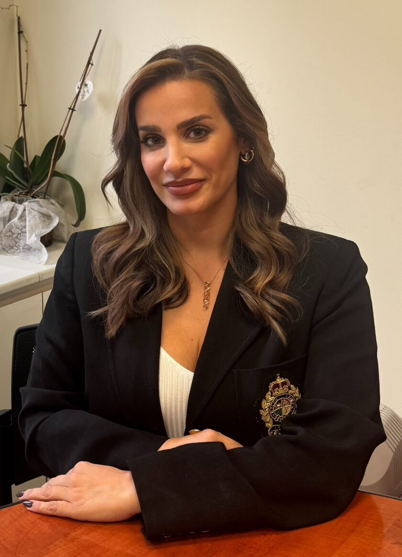
Soha Yazbek, PhD
Dr. Yazbek is an Associate Professor with tenure in the Department of Biochemistry and Molecular Genetics at the Faculty of Medicine, American University of Beirut, and a Clinical Associate Genetic Counselor at the American University of Beirut Medical Center. Trained as a geneticist, her work bridges basic genomics with public health genetics and clinical counseling, with a focus on complex multifactorial diseases, rare disorders, and genetic disease burden in resource-constrained settings.
Dr. Yazbek’s research spans the genetics of metabolic disease, cancer-related pathways, and modifiers of monogenic traits, alongside extensive work on genetic disease mapping, health disparities, and healthcare system responses in Lebanon, the Middle East, and refugee populations. She has led and contributed to numerous national and regional initiatives addressing genetic literacy, rare disease burden, and access to genetic services.
In parallel with her academic role, she actively practices genetic counseling, with particular involvement in hemoglobinopathies and family-centered genetic risk communication. Her work emphasizes the translation of genomic knowledge into ethical, culturally sensitive counseling and policy-relevant practice, positioning genetics as a tool for both precision medicine and equitable care.
Abstract
Rare cancers, while individually uncommon, collectively represent a significant yet under-recognized cancer burden. They are frequently associated with delayed diagnosis, limited evidence-based management, and a higher likelihood of genetic contribution, amplifying their impact on patients and families. This talk examines rare cancers through a genetics-informed framework, integrating molecular mechanisms, patterns of heritability, and population-level disease burden.
The talk will distinguish between sporadic, familial, and hereditary rare cancers and highlight how these classifications directly inform risk assessment, cascade testing, and family counseling. Drawing on regional data and clinical genetic counseling experience in resource-constrained settings, it will address how gaps in genetic literacy and access to services exacerbate disparities in care. The presentation will highlight the need for integration of genetic counseling into rare cancer pathways to support family-centered risk communication, ethical decision-making, and equitable precision oncology.
Lecture 13: Genetic Eye Diseases: Diagnosis, Management, and Therapeutic Perspectives
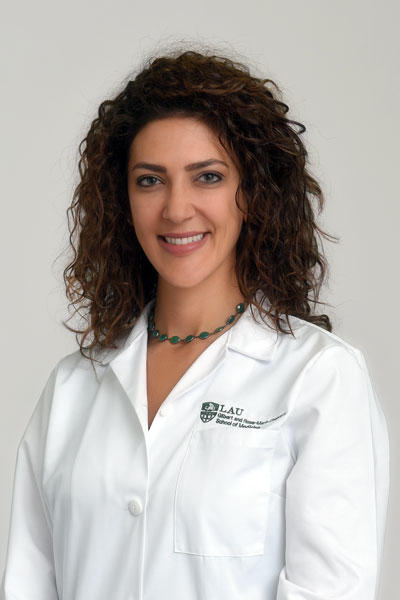
Ama Sadaka, MD
Dr. Sadaka is an ophthalmologist at the LAU Gilbert and Rose-Marie Chagoury School of Medicine and is also sub-specialized in neuro-ophthalmology and oculoplastics. Dr. Sadaka graduated from the American University of Beirut Faculty of Medicine and subsequently pursued a postdoctoral research fellowship in ophthalmology at Harvard Medical School, U.S.A. She then completed a residency in ophthalmology at the University of Cincinnati Hospital in Ohio, U.S.A., followed by fellowship training in neuro-ophthalmology and oculoplastics at the Houston Methodist Hospital in Texas. She is one of the very few American Board-certified ophthalmologists in Lebanon and the Middle East area and the only board-certified neuro-ophthalmologist in Lebanon. This distinctive training in the U.S. has equipped Dr. Sadaka with a leading edge in providing outstanding patient care and optimizing patient outcomes. Dr. Sadaka practices general ophthalmology, encompassing a broad range of surgical cases such as cataract surgeries. Moreover she is highly qualified to diagnose and treat complex diseases of the eyelids and orbit, including functional and cosmetic eyelid disorders as well as excessive tearing, thyroid-related eye conditions and others. In addition, her distinctive neuro-ophthalmic training allows her to bridge the fields of ophthalmology and neurology. She manages patients with cranial neuropathies, double vision, nystagmus, and vision loss due to various causes such as optic nerve disease, stroke and tumors. Dr. Sadaka has maintained active membership in several professional societies and has published multiple papers and book chapters. She is a member of the Alpha Omega Alpha (AOA) Honor Medical Society. She is a dedicated educator and currently serves as director of the ophthalmology residency program at LAU Medical Center-Rizk Hospital.
Abstract
Genetic eye diseases represent a diverse group of inherited disorders affecting the retina, optic nerve, lens, and anterior segment, often resulting in visual impairment or blindness beginning in childhood or early adulthood. Recent advances in molecular diagnostics, particularly next-generation sequencing technologies, have significantly enhanced the identification of disease-causing variants, supporting accurate diagnosis, prognostication, and genetic counseling. Early recognition of these conditions is essential to guide clinical management, enable appropriate surveillance for associated ocular and systemic manifestations, and facilitate family screening. Rapid progress in therapeutic development—including gene replacement strategies, RNA-based therapies, and targeted pharmacologic interventions—is reshaping the management of previously untreatable genetic eye disorders. Ongoing research and multidisciplinary collaboration are critical to optimize patient outcomes and support the integration of precision therapies into clinical practice.
Lecture 14: Genetic Advances in Hearing and Balance Disorders
Myrna Mustapha, PhD
Dr. Mustapha is a Professor of Molecular Neuroscience at the University of Sheffield. Her research focuses on the genetic and molecular mechanisms underlying hearing and balance disorders, with particular expertise in hereditary deafness and inner ear development. Dr. Mustapha’s work integrates human genetics and functional genomics to advance understanding of auditory and vestibular dysfunction and to support the development of precision medicine approaches.
Abstract
Genetic advances have significantly improved the understanding of hearing loss and balance disorders, many of which present in childhood or early adulthood. In this session, the genetic basis of hereditary auditory and vestibular conditions will be reviewed, highlighting the role of next-generation sequencing in diagnosis and classification. Genotype–phenotype correlations will be discussed, implications for clinical management, and the value of genetic testing in guiding prognosis, counseling, and family screening. Emphasis will be placed on integrating genetic findings into otologic and neurotologic practice to support personalized patient care.
Lecture 15: Communicating Diagnosis: Clinical and Emotional Challenges
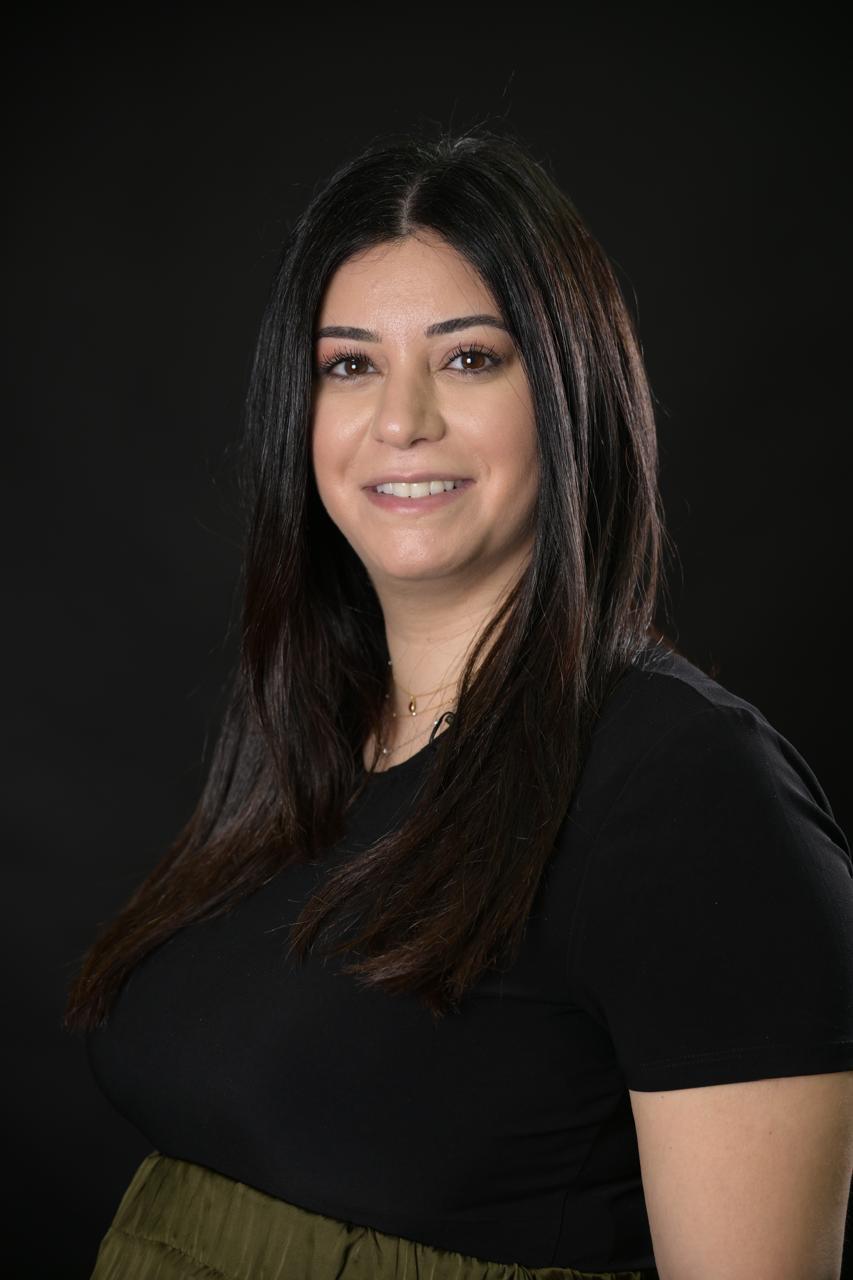
Melanie Wardan, MS
Ms. Wardan is a clinical psychologist specialized in psychoanalytic psychotherapy, recognized for her commitment to fostering emotional well-being and meaningful personal growth. She holds a Master’s degree in Clinical Psychology, along with advanced training in psychoanalytic psychotherapy. Her practice is distinguished by thoughtful clinical insight, reflective practice, and emotional understanding.
Since joining SESOBEL in 2018, Melanie has developed strong expertise in supporting children and young people with disabilities, as well as their families. Her leadership was affirmed in 2020 when she became Head of the Psychology Unit, where she supervises a team of psychologists and actively contributes to the development of services that promote inclusion, resilience, and comprehensive psychological support.
Guided by a deep commitment to care and respect for each individual’s unique journey, Melanie is dedicated to building supportive therapeutic environments and advancing practices that place dignity, compassion, and collaboration at the forefront of mental health work.
Abstract
Communicating a diagnosis in the context rare diseases or disability is a defining clinical moment that profoundly shapes family understanding and emotional processing. Drawing on clinical experience at SESOBEL, a Lebanese NGO supporting individuals with disabilities, this presentation explores the psychological impact of diagnostic disclosure on parents and caregivers, highlighting common emotional responses and the relational dynamics that influence the process of denial, adaptation, and acceptance. Particular attention is placed on the role of healthcare professionals in navigating the balance between clarity, empathy, and realistic guidance, while supporting emotional wellbeing, fostering resilience, and strengthening the therapeutic alliance.