Speakers and Abstracts
(Speakers are listed in the order of the programs’ sessions)Lecture 1: Autoinflammation vs. Autoimmunity
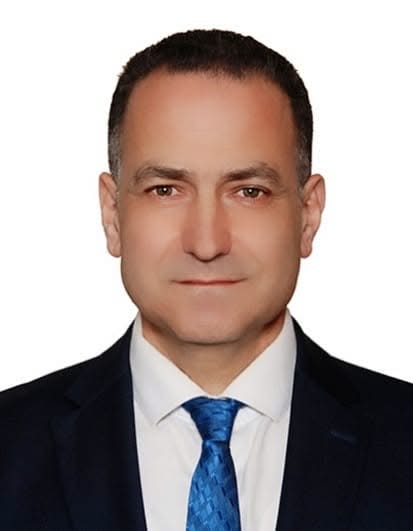
Youssef El Fakhry, PhD
Dr. El Fakhry is a distinguished immunologist and the current Head of the Department of Life and Earth Sciences at the Lebanese University. With a strong academic and research background, Dr. El Fakhry earned his Doctorate in Host–Microorganism Interactions from Pierre and Marie Curie University – Paris VI, one of France’s leading scientific institutions.
He also holds diplomas in Public Health and Hygiene, as well as Biomedical Engineering, both from Paris VI University, reflecting his multidisciplinary expertise in health sciences.
Dr. El Fakhry completed postdoctoral research at the University of Montreal and is a former Associate Researcher at Harvard Medical School. His main research focus is on autoimmune diseases, with an emphasis on their immunological mechanisms and potential therapeutic approaches.
Dr. El Fakhry has published numerous peer-reviewed articles and holds two international patents related to biomedical innovation. Through his research and leadership, Dr. El Fakhry continues to contribute significantly to the fields of immunology and autoimmune diseases, both in Lebanon and internationally.Abstract
Autoinflammation and Autoimmunity, both involve abnormal immune responses, but they arise from fundamentally different mechanisms.
Autinflammation arises from dysregulation of the innate immune system, particularly involving inflammasome activation, cytokine overproduction, and pattern –recognition receptors without involvement of autoantibodies or antigen-specific T-cells.
In contrast, autoimmunity reflects a failure of adaptive immune tolerance, where autoreactive B and T cells mount a targeted, often organ-specific, immune response.
Understanding the differences between these two is crucial not only for accurate diagnosis but also for selecting the most effective therapeutic strategies.
Lecture 2: FMF Clinical and Genetic Perspectives
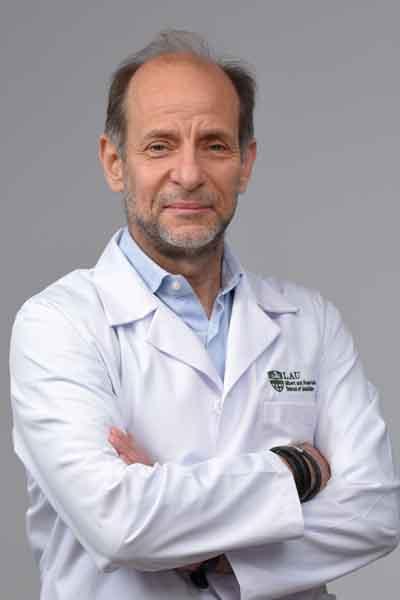
Andre Megarbane, MD, PhD
Dr. Megarbane is Professor and Chair of the Department of Human Genetics and Assistant Dean for Research. He established one of Lebanon’s first comprehensive clinical genetics services and diagnostic laboratories, advancing the prevention and understanding of genetic diseases in the region and promoting the use of genetics in personalized medicine.
He earned his M.D. from Saint Joseph University (USJ), followed by advanced training in genetics at the Pasteur Institute in Paris and USJ. He completed his Ph.D. and HDR at Paris V, and later obtained an MBA in Health Management from USJ/Paris Dauphine/Sorbonne.
Abstract
Background: Familial Mediterranean Fever (FMF) is an autosomal recessive autoinflammatory disorder characterized by recurrent episodes of fever and serosal inflammation. It predominantly affects populations of Mediterranean origin, including Armenians, Arabs, Turks, and Jews.
Objective: This review aims to provide an overview of the clinical manifestations, diagnostic criteria, and genetic basis of FMF, emphasizing recent advances in understanding MEFV gene mutations and their correlation with disease phenotype.
Methods: A comprehensive review of recent literature was conducted, focusing on clinical features, genotype –phenotype correlations, and current diagnostic and therapeutic approaches in FMF.
Results: The majority of FMF cases are associated with mutations in the MEFV gene, which encodes pyrin, a key regulator of inflammation. Clinical manifestations include recurrent attacks of fever, peritonitis, pleuritis, arthritis, and erysipelas-like erythema. Early recognition and treatment with colchicine remain crucial to prevent amyloidosis and other complications. Recent genetic studies have expanded the understanding of atypical and heterozygous cases, highlighting variability in disease expression and response to therapy.
Conclusion: FMF represents a paradigm for monogenic autoinflammatory diseases, bridging clinical and molecular insights. Advances in genetic testing have improved diagnostic accuracy, while ongoing research into pyrin-associated pathways may lead to novel therapeutic strategies beyond colchicine.
Lecture 3: Hyperuricemia and Cardiovascular Disease: A Causal Link?
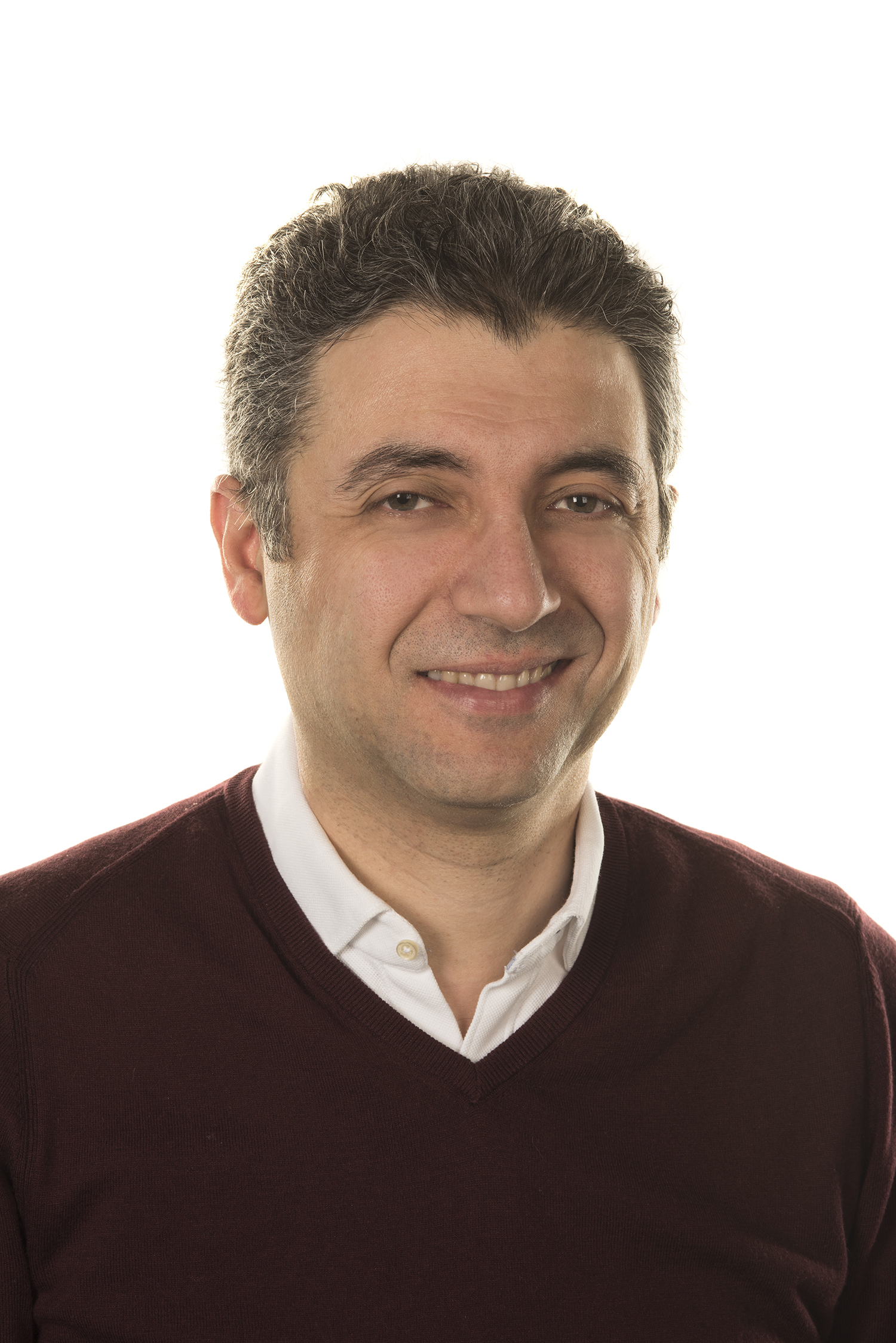
Samer Mansour, MD, CSPQ, FRCP
Dr. Mansour is a full professor of medicine at the medical school of the University of Montreal. He is an interventional cardiologist and a clinical researcher as well as the chief of research in the cardiology division of the Centre Hospitalier de l’Université de Montréal. Additionally, he serves as the director of the cath. lab at the Cité de la Santé hospital in Laval city.
Currently, he is a member of the scientific committee of the research center at CHUM and a member of the advisory board of the FRSQ (Quebec Public Research Funds).
Dr. Mansour is the past president of the Canadian Association of Interventional Cardiology. He leads the continuous medical education committee of the Association of Cardiologists in Quebec.
His major research interests include coronary artery physiology and the management of high-risk groups of patients such as those with STEMI, chronic total occlusion, left main, bifurcation or multi-vessel disease. He is also a principal investigator (PI) of several clinical trials in the fields of stem cells, acute coronary syndrome, metabolic syndrome, dyslipidemia, atrial fibrillation, heart failure, and HIV-related coronary artery disease.
Dr. Mansour has been the primary or co-author of 6 book chapters, 135 peer-reviewed publications, and over 450 abstracts.
Abstract
As the global population ages, the incidence of cardiovascular disease (CVD) has been progressively increasing. Therefore, understanding the factors influencing their development is crucial for their early prevention, diagnosis, and treatment.
In experimental models, uric acid (UA) has been shown to induce endothelial dysfunction, oxidative stress, Renin-Angiotensin System activation, systemic and local inflammation contributing to platelet activation and increased blood viscosity, potentially resulting in local thrombosis.
On the other hand, epidemiological and genetic studies have shown significant associations between hyperuricemia and several CVD, such as hypertension, metabolic syndrome, heart failure, coronary artery disease, diabetes, atrial fibrillation, and chronic kidney disease.
Although the pathogenic role of UA in CVD is indisputable, the causality in the UA-CVD relationship remains unproven mostly due to inconsistent results of Mendelian randomization studies and interventional studies with UA-lowering pharmacological therapies.
Future research is required to assess causality in the UA-CVD relationship, better delineate underlying molecular mechanisms of the involvement of UA in the pathophysiology of CVD in humans and assess the effects of UA-lowering therapies on the incidence of CVD and CVD-related outcomes.
Lecture 4: What’s New in Gout: A Rheumatologic Perspective

Pascal Richette, MD
Dr. Richette is Professor of Rheumatology and Head of the Rheumatology Department at Lariboisière Hospital, University Paris 7, France. He obtained his MD and PhD from the University of Paris V, where he also completed his training in rheumatology. Dr. Richette’s research primarily focuses on gout, crystal-related diseases, and osteoarthritis, contributing significantly to the understanding and management of these conditions. He has authored and co-authored more than 300 peer-reviewed articles and 21 book chapters, and has delivered over 520 invited lectures at national and international scientific meetings. In addition to his clinical and research work, Dr. Richette is actively involved in academic teaching and mentorship, fostering the next generation of rheumatologists and clinician-scientists.
Abstract
Gout is an inflammatory arthritis caused by an innate immune response to monosodium urate (MSU) crystal deposition in the setting of chronic hyperuricemia. Advances in recent years have reshaped our understanding of its pathophysiology, comorbidities, and management. The solubility threshold of urate (~68 mg/L or 0.40 mmol/L) defines the therapeutic target below which crystal dissolution can occur, supporting a treat-to-target and treat-to-dissolve strategy. Genetic studies involving over 2.6 million individuals have identified more than 370 loci influencing serum urate and gout risk, confirming the major heritable component of uricemia, while large cohort studies demonstrate that diet explains less than 0.3% of its variance. Mechanistic data reveal that insulin signaling upregulates renal urate transporters such as GLUT9, contributing to hyperuricemia in metabolic syndrome. Conversely, hyperuricemia itself may promote cardiovascular and renal diseases through endothelial dysfunction and chronic inflammation. Gout flares are now recognized as acute systemic inflammatory events that transiently increase the risk of myocardial infarction or stroke. The first “signal” for NLRP3 inflammasome activation— provided by metabolic stimuli such as palmitate or acetate— helps explain why diet or cell volume changes can trigger flares. Therapeutically, optimizing xanthine oxidase inhibitors, early initiation of urate-lowering therapy, and prophylactic colchicine are key to preventing recurrence. Emerging urate-lowering agents, IL-1 blockers, and combination strategies targeting both urate production and inflammation are promising perspectives. Altogether, gout should be viewed not merely as a joint disease but as a systemic disorder at the crossroads of metabolism, genetics, and inflammation.
Lecture 5: When to Resume Biologics and Targeted Therapies After Malignancy
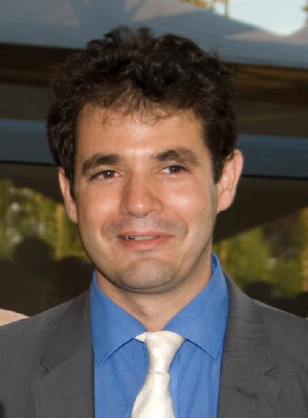
Jacques Eric Gottenberg, MD, PhD
Prof. Gottenberg is the Head of the Department of Rheumatology at the National Center for Systemic Autoimmune Diseases, University Hospital of Strasbourg, France. He also leads a translational research unit dedicated to exploring the role of B-cells and innate immunity in autoimmune diseases. His research contributions include identifying the pathogenic role of micro-RNAs in rheumatoid arthritis, uncovering the involvement of B-cells in the fibrosis characteristic of systemic sclerosis, and advancing understanding of interferon pathway activation and follicular helper T-cells in primary Sjögren’s syndrome.
His clinical work focuses primarily on refractory autoimmune diseases and the use of biological agents. Prof. Gottenberg serves as the Principal Investigator for the French Society of Rheumatology registries that track patients treated with rituximab or abatacept—covering more than 3,600 patients—and is one of the coordinators of the registry for rheumatoid arthritis patients treated with tocilizumab (1,500 patients). His notable publications include the first multicenter academic randomized trial evaluating a therapeutic strategy for rheumatoid arthritis with inadequate response to TNF antagonists (the ROC study), published in JAMA; a comparative effectiveness study of rituximab, abatacept, and tocilizumab in BMJ; and the first positive Phase 2 trial evaluating an FcRn inhibitor in primary Sjögren’s syndrome, published in The Lancet.
Prof. Gottenberg has authored or co-authored more than 370 publications in international peer-reviewed journals and has an h-index of 98.
Abstract
The safety of targeted therapies in patients with chronic inflammatory rheumatic diseases who have a history of cancer remains a frequent concern in daily practice. While fears of cancer recurrence or of the development of new malignancies have long delayed the initiation of these treatments, recent data – particularly those included in the meta-analyses used to develop the recent EULAR “Points to Consider” – have helped to put this cautious approach into perspective. This presentation will review the key elements to consider when guiding therapeutic decisions.
Lecture 6: From Misfolded Protein to Multi-System Disease
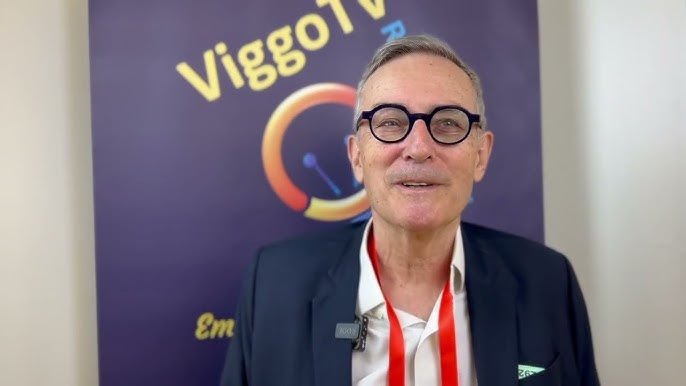
Thomas Bardin, MD, PhD
Dr. Bardin is Professor of Rheumatology at Université Paris Cité and former Head of the Rheumatology Department at Hôpital Lariboisière in Paris. Internationally recognized for his work on gout and crystal-induced arthropathies, he has led major clinical and translational research efforts that have shaped current understanding and treatment strategies for hyperuricemia and gout. Dr. Bardin has authored numerous peer-reviewed publications and has been an influential contributor to international guidelines in rheumatology.
Abstract
Transthyretin amyloidosis (ATTR) results from the misfolding of transthyretin (TTR), a normally stable protein produced mainly in the liver. When TTR becomes unstable, its monomers form amyloid fibrils that accumulate in tissues, leading to disease. There are two forms:
Variant ATTR (ATTRv) – Caused by inherited TTR gene mutations (over 130 known). It is autosomal dominant and often presents with peripheral neuropathy, autonomic dysfunction, and varying degrees of cardiomyopathy. Common clinical patterns include:
Familial amyloid polyneuropathy (often due to Val50Met), with early-onset cases showing prominent pain and autonomic symptoms, and late-onset cases showing broader sensory loss and less family history.
Familial amyloid cardiomyopathy (often Val122Ile), more prevalent in individuals of African ancestry.
Leptomeningeal amyloidosis, involving central nervous system symptoms.
Wild-type ATTR (ATTRwt) – Not genetic; associated with aging. It typically presents after age 60 and mainly causes cardiomyopathy. It is underdiagnosed and increasingly recognized as a common cause of heart failure with preserved ejection fraction.
Across both forms, carpal tunnel syndrome, musculoskeletal changes, ocular and gastrointestinal issues may precede or accompany disease, especially in ATTRwt, where orthopedic signs often occur years before cardiac involvement.
Diagnosis relies on identifying amyloid tissue deposits and confirming TTR type. In cardiac cases, bone scintigraphy combined with absence of monoclonal gammopathy can establish diagnosis without biopsy.
Early diagnosis is critical because currently available treatments can slow or stop further amyloid deposition, but do not reverse damage already done.
Lecture 7: Cardiac ATTR: When to Suspect and When to Diagnose
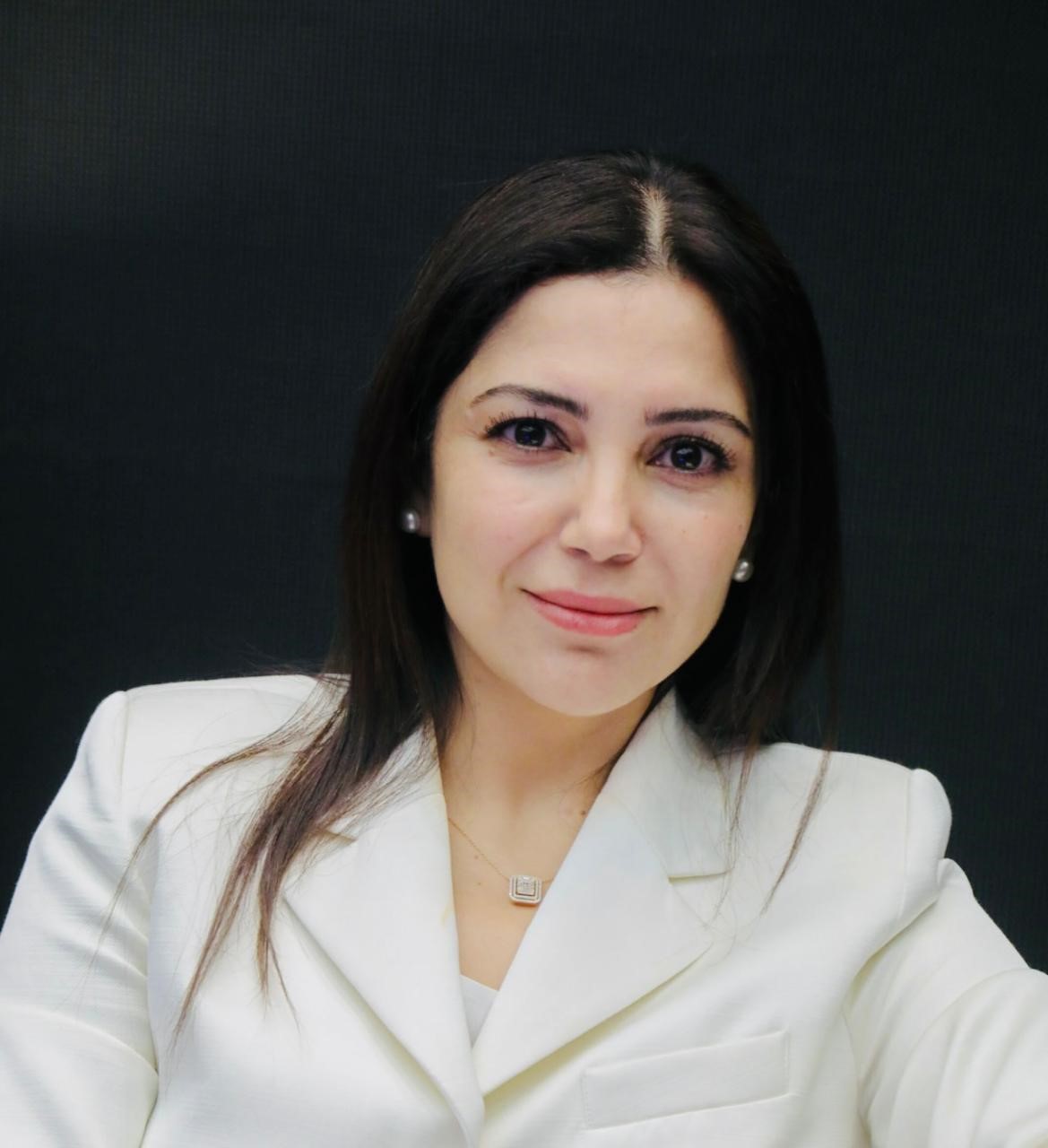
Righab Hamdan, MD
Dr. Hamdan is a consultant cardiologist and Assistant Professor of Clinical Medicine at LAU School of Medicine. She leads the Heart Failure Unit at Lebanese Hospital Geitawi and serves as a cardiology consultant at Clemenceau Medical Center.
Dr. Hamdan completed her medical degree and cardiology training at Saint Joseph University, Lebanon, with advanced fellowships in interventional cardiology, heart failure, and mechanical circulatory support in France and Germany. She holds multiple executive certifications in healthcare management and digital health from Harvard and Emory Universities.
Her clinical expertise spans interventional cardiology, heart failure management, mechanical circulatory support, and cardiac imaging. Dr. Hamdan has led heart transplantation and LVAD programs in Lebanon and has extensive experience in advanced cardiac procedures including complex angioplasty, TAVI, and echocardiography.
Abstract
Cardiac transthyretin amyloidosis (ATTR-CM) is an under-recognized cause of heart failure, particularly in older individuals, due to its often subtle and nonspecific presentation. A high index of suspicion is necessary when encountering features such as unexplained left ventricular thickening, discordance between ECG voltage and imaging findings, heart failure with preserved ejection fraction, or involvement of multiple organ systems. Recent advances in non-invasive imaging, combined with appropriate laboratory evaluation, now allow for accurate diagnosis in many patients without the need for tissue biopsy. Early detection is essential, as timely initiation of disease-modifying therapy can slow progression and improve outcomes. This presentation outlines key clinical clues, a stepwise diagnostic approach, and the importance of multidisciplinary management to optimize patient care.
Lecture 8: Emerging Therapies for ATTR Amyloidosis
Thomas Bardin, MD, PhD
Dr. Bardin is Professor of Rheumatology at Université Paris Cité and former Head of the Rheumatology Department at Hôpital Lariboisière in Paris. Internationally recognized for his work on gout and crystal-induced arthropathies, he has led major clinical and translational research efforts that have shaped current understanding and treatment strategies for hyperuricemia and gout. Dr. Bardin has authored numerous peer-reviewed publications and has been an influential contributor to international guidelines in rheumatology.
Abstract
ATTR amyloidosis, caused by deposition of transthyretin (TTR) amyloid fibrils, has traditionally been treated with liver transplantation, which improves survival but has significant limitations. Newer strategies aim to halt or reverse amyloid deposition, particularly when applied early.
TTR Stabilizers:
Diflunisal (NSAID) slows neuropathy progression; off-label use is possible in selected patients.
Tafamidis stabilizes TTR tetramers, improving survival, quality of life, and reducing hospitalizations in ATTR cardiomyopathy (ATTR-CM); most effective in early disease.
Acoramidis mimics protective TTR variants, demonstrating superior stabilization and reduced mortality in recent trials; approved in the US and Europe.
TTR Gene Silencers:
siRNAs (patisiran, vutrisiran) reduce TTR production; patisiran is approved for hereditary polyneuropathy, vutrisiran for ATTR-CM.
Antisense oligonucleotides (inotersen, eplontersen) similarly lower TTR; improve neuropathy and quality of life, with close monitoring for side effects.
Gene Editing:
CRISPR-Cas9 approaches (e.g., nexiguran ziclumeran) show potential for long-term TTR suppression after a single injection, possibly providing a curative strategy.
Amyloid Fibril Removal:
Monoclonal antibodies targeting TTR fibrils are under investigation to actively remove deposited amyloid.
Conclusion:
Therapeutic advances in ATTR amyloidosis—stabilizers, gene silencers, gene editing, and anti-amyloid antibodies—have transformed the prognosis of this previously fatal disease. Early diagnosis is critical to maximize treatment efficacy.