Speakers and Abstracts
(Speakers are listed in the order of the program sessions)Lecture 1: Medical and Planned Fertility Preservation: Current Perspectives
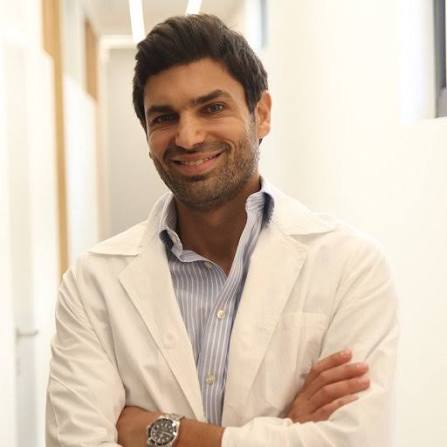
Hady El Hachem, MD, MSc
Dr. El Hachem is a consultant in Obstetrics & Gynecology specializing in Reproductive Endocrinology and Infertility (REI). He serves as Medical Director of the Saint Joseph Fertility Center in Beirut and is affiliated with Bellevue Medical Center, Clemenceau Medical Center, and LAU Medical Center–Rizk Hospital.
Dr. El Hachem earned his medical degree and completed his residency in Obstetrics and Gynecology at Saint Joseph University, Lebanon. He subsequently pursued advanced training in Reproductive Endocrinology and Infertility at Université Paris Descartes, where he also obtained a Master’s degree in Reproduction and Development and a Diploma in Medical Training (DFMS). He completed a fellowship in Reproductive Endocrinology and Infertility at the Université de Montréal and is a Fellow of the Royal College of Physicians and Surgeons of Canada.
His clinical expertise includes assisted reproductive technologies, in vitro fertilization (IVF), fertility preservation, recurrent pregnancy loss, reproductive surgery, and the management of complex infertility. Dr. El Hachem is actively involved in clinical research, with numerous peer-reviewed publications focusing on reproductive medicine, fertility preservation, ovarian stimulation, and IVF outcomes.
Abstract
This session will provide an evidence-based review of current approaches to the diagnosis and management of infertility in both women and men. Participants will examine recent advances in ovarian reserve assessment, in vitro fertilization (IVF), fertility preservation strategies, recurrent pregnancy loss evaluation, and the role of emerging technologies, including artificial intelligence, in reproductive medicine. Clinical cases and contemporary guideline recommendations will be used to illustrate practical management strategies and highlight opportunities to optimize reproductive outcomes through multidisciplinary collaboration and individualized treatment planning.
Lecture 2: Fetal Surgery and Management of Complex Fetal Conditions
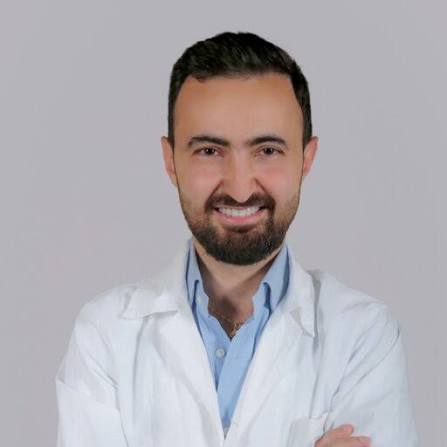
Wael Abdallah, MD, MPH, PhD(c)
Dr. Abdallah is a Clinical Assistant Professor of Obstetrics and Gynecology and Maternal–Fetal Medicine at the Lebanese American University Medical Center–Rizk Hospital (LAUMC-RH), Beirut, Lebanon. He is a Subspecialty Affiliate of the Royal College of Physicians and Surgeons of Canada (RCPSC).
He completed his medical degree at Saint Joseph University of Beirut, followed by residency training in Obstetrics and Gynecology in France. He subsequently pursued advanced training in Maternal–Fetal Medicine at CHU Sainte-Justine, Université de Montréal, Canada, where he specialized in fetal diagnosis and fetal therapy. He also holds a Master of Public Health in Methodology and Statistics in Biomedical Research from Université Paris-Saclay and is currently a PhD candidate at Université de Montréal.
Dr. Abdallah’s clinical practice focuses on high-risk pregnancies, advanced prenatal imaging, fetal diagnosis, fetal interventions, and multiple pregnancies. His research interests include fetal surgery, twin-to-twin transfusion syndrome, predictive modeling in fetal medicine, and innovative approaches to prenatal care. He has authored numerous peer-reviewed publications and has presented his work at leading international conferences, including ISUOG and WAPM.
At LAUMC-RH, he is leading the development of a comprehensive Maternal–Fetal Medicine and Fetal Therapy Program, with the goal of advancing specialized women’s healthcare and establishing a regional referral center for fetal medicine.
Abstract
Fetal medicine has undergone a remarkable transformation over the past three decades, with advances in prenatal imaging, genetic diagnosis, and minimally invasive fetal interventions significantly improving outcomes for selected fetal conditions. Today, fetal surgery extends beyond technical procedures to encompass multidisciplinary prenatal counseling, careful patient selection, and coordinated perinatal management.
This presentation will provide a practical overview of contemporary fetal surgery and the management of complex fetal conditions. It will review the principles of fetal intervention, including indications, patient selection, procedural planning, and maternal and fetal considerations. Current evidence and outcomes for major fetal therapies, including fetoscopic laser surgery for twin-to-twin transfusion syndrome, intrauterine transfusion, fetal shunt procedures, radiofrequency ablation in complicated monochorionic pregnancies, and selected open fetal surgical procedures, will be discussed.
The session will also address the multidisciplinary approach required for complex fetal anomalies, highlighting the roles of maternal–fetal medicine specialists, pediatric surgeons, neonatologists, geneticists, anesthesiologists, and radiologists in optimizing prenatal and postnatal care. Clinical cases will illustrate decision-making, technical challenges, ethical considerations, and counseling strategies in contemporary fetal therapy.
Participants will gain an evidence-based understanding of current fetal surgical techniques, recognize appropriate referral pathways, and appreciate the importance of specialized fetal centers in improving maternal and neonatal outcomes.
Lecture 3: The Value of Robotic Gynecologic Surgery: Evidence, Innovation, and the Future of Women’s Health
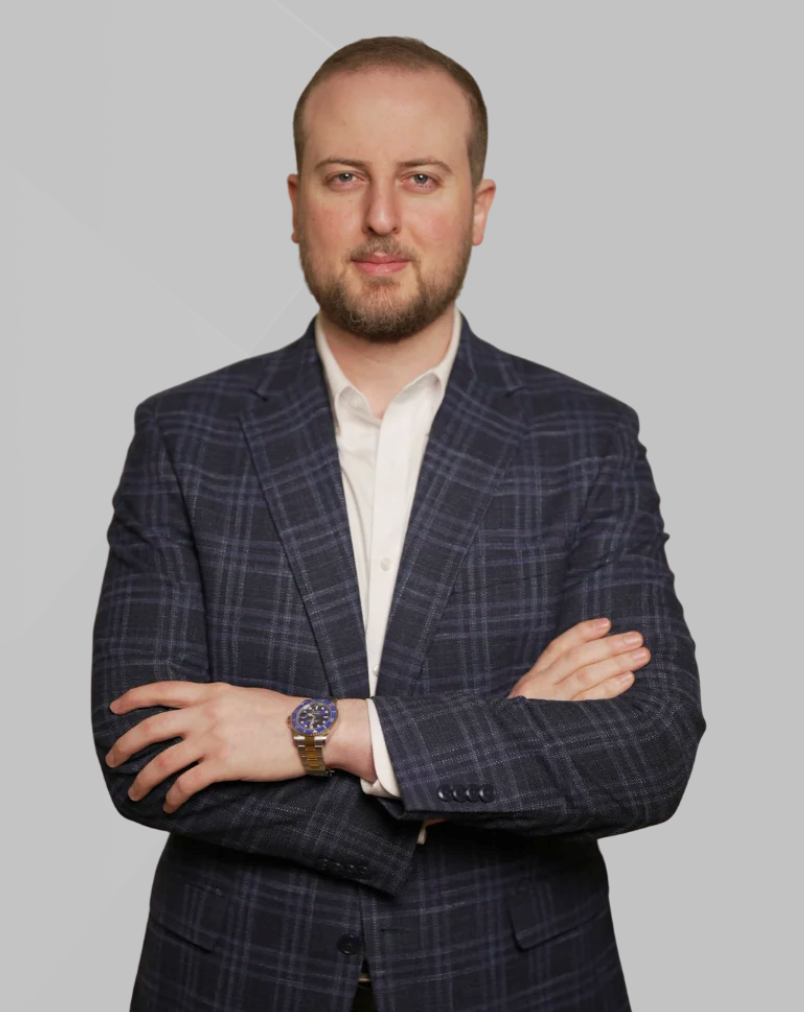
Bassel Abouzeid, MD, MHCM, FACOG
Dr. Abouzeid is an American Board-certified Obstetrician and Gynecologist specializing in women’s health, obstetrics, and minimally invasive gynecologic surgery. He completed his residency at the University of Illinois and advanced fellowships in minimally invasive gynecology at Georgetown University Hospital and Wake Forest University Hospital. He also earned a Master of Healthcare Management (MHCM) from EHESP, France.
Dr. Abouzeid provides comprehensive obstetric and gynecologic care, with expertise in laparoscopic and robotic surgery for uterine fibroids, ovarian cysts, endometriosis, abnormal uterine bleeding, and pelvic pain. His patient-centered approach emphasizes precision, safety, and faster recovery.
He has received several prestigious U.S. awards recognizing excellence in minimally invasive gynecologic surgery and reproductive medicine. Actively engaged in research and medical education, Dr. Abouzeid has published on robotic gynecology, surgical outcomes, and healthcare management, while remaining committed to advancing women’s healthcare through innovation and evidence-based practice.
Abstract
This session examines the current evidence, emerging technologies, and future innovations shaping robotic gynecologic surgery and their impact on delivering personalized, high-quality care for women.
Learners will be able to:
Review the current evidence supporting robotic surgery across benign and malignant gynecologic conditions.
Recognize the expanding role of robotic surgery in the management of complex gynecologic disease, including endometriosis, myomectomy, pelvic reconstructive surgery, and gynecologic oncology.
Identify key principles of patient selection, surgical planning, and strategies to optimize clinical outcomes in robotic gynecologic surgery.
Discuss recent technological advances—including fluorescence-guided imaging, artificial intelligence, digital integration, and next-generation robotic platforms—and their impact on surgical care.
Explore future directions in robotic gynecologic surgery and their potential to improve precision, personalization, and outcomes in women’s health.
Lecture 4: AI, Robotics, and the Future of Surgery
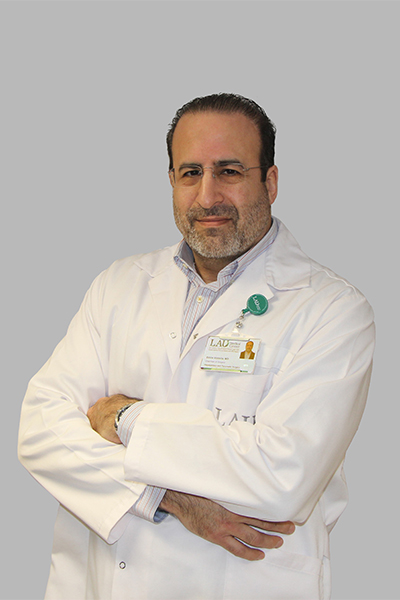
Eddie Abdalla, MD, FACS
Dr. Abdalla is a board-certified general surgeon, robotic surgeon, hepatobiliary and pancreatic surgeon and surgical oncologist. He is currently Assistant Dean for Strategy and Development and Founding Chairman of Surgery at the Lebanese American University (LAU) and serves as the Founder and Medical Director of the Liver & Pancreas Program at Northside Hospital Cancer Institute, Atlanta, GA.
Abstract
This lecture will provide an overview of the integration of AI and robotics across the surgical continuum. Topics will include AI-assisted diagnostics and surgical planning, image-guided navigation, robotic-assisted procedures, and postoperative outcome monitoring. The session will also discuss autonomous surgical technologies, while addressing the importance of surgeon training and human oversight. Future directions and ongoing innovations that may shape the next generation of surgical care will also be presented.
Lecture 5: Minimally Invasive and Endoluminal Therapies: Blurring the Lines
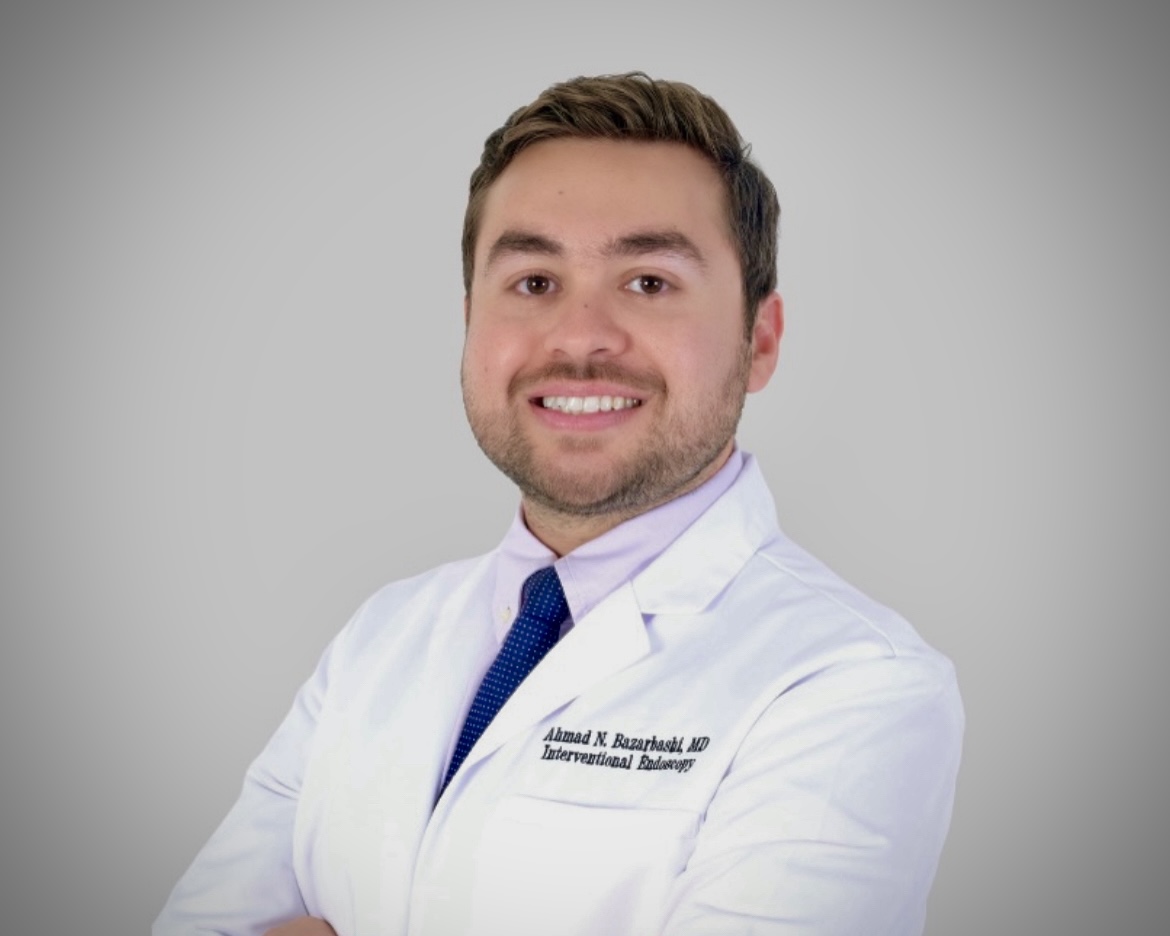
Ahmad Bazarbashi, MD
Dr. Bazarbashi is a consultant gastroenterologist and interventional endoscopist at King Faisal Specialist Hospital and Research Center in Riyadh, Saudi Arabia where he also assumes role of director of the Endoscopy Unit and deputy program director of the gastroenterology fellowship program. He completed training in gastroenterology, advanced endoscopy and bariatric endoscopy at Brigham and Women’s Hospital Harvard Medical School in Boston, USA. He thereafter joined Washington University in St. Louis as an assistant professor of medicine and interventional endoscopist from 2021 to 2025. There he was program director of the advanced endoscopy fellowship program and director and founder of the third space endoscopy program before returning home to Riyadh at begin his practice at KFSHRC. His clinical and research interests are in endohepatology and third space endoscopy. Dr. Bazarbashi contributed to over 80 original peer reviewed manuscripts and presented over 50 lectures at national and international conferences. He is chair of the endohepatology special interest group at American Society of Gastrointestinal Endoscopy (ASGE).
Abstract
This lecture will examine the evolution of minimally invasive surgery and endoluminal interventions, including advanced therapeutic endoscopy. The session will discuss patient selection, procedural planning, clinical outcomes, limitations, and future innovations. Particular emphasis will be placed on multidisciplinary collaboration between surgeons, gastroenterologists, interventional radiologists, anesthesiologists, and other specialists to provide personalized, evidence-based care.
Lecture 6: MIS Bariatric Surgery vs. GLP-1
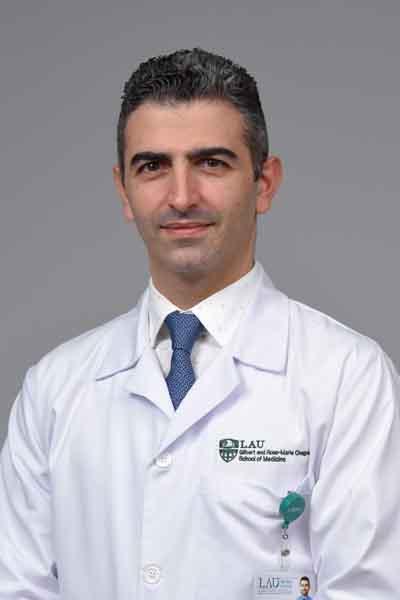
Rodrigue Chemaly, MD
Dr. Chemaly earned his M.D. degree and completed his General Surgery residency at the Lebanese University. He further specialized in laparoscopic surgery through advanced training at Saint Joseph University, where he received the Karl Storz Award, and completed a fellowship in Colorectal and Bariatric Surgery at the University of Strasbourg, France. He has pursued additional postgraduate training in surgery, simulation-based medical education, healthcare leadership, and surgical leadership, graduating at the top of his class from the Harvard Medical School Surgical Leadership Program in 2020. Dr. Chemaly is a Fellow of the American College of Surgeons and has been an instructor for the Lebanese University Laparoscopic Diploma since 2016. He serves as Chair of the Young IFSO Middle East and North Africa Chapter and General Secretary of the IFSO Lebanese Chapter. A Clinical Assistant Professor at the LAU Gilbert & Rose-Marie Chagoury School of Medicine, he is also Director of the General Surgery Residency Program at LAU Medical Center–Rizk Hospital. Dr. Chemaly is an expert in minimally invasive and bariatric surgery, having performed more than 2,000 bariatric procedures. His academic interests include surgical education and simulation, with a focus on advancing laparoscopic training and residency education.
Abstract
Obesity management has evolved beyond the traditional debate of surgery versus medication toward a patient-centered, integrated treatment approach. Metabolic and bariatric surgery remains the most effective intervention for durable weight loss and remission of obesity-related comorbidities, while modern anti-obesity medications, including GLP-1 and dual-receptor agonists, have demonstrated substantial weight loss and significant cardiometabolic benefits. This Grand Rounds will review the evidence supporting both therapies, comparing their mechanisms of action, clinical effectiveness, limitations, costs, and long-term metabolic outcomes. Practical clinical scenarios will illustrate how surgery and pharmacotherapy can be used together, including preoperative optimization, long-term weight maintenance, and management of post-surgical weight recurrence, providing clinicians with an evidence-based framework for individualized obesity care.
Learning Objectives:
At the conclusion of this activity, participants will be able to:
- Evaluate the long-term outcomes and benefits of metabolic and bariatric surgery for obesity management.
- Interpret the evidence supporting modern anti-obesity medications, including GLP-1 and dual-receptor agonists.
- Compare surgical and pharmacologic obesity treatments with respect to efficacy, mechanisms, limitations, costs, and metabolic outcomes.
- Apply an integrated treatment strategy combining surgery and pharmacotherapy for individualized obesity care, including preoperative optimization and management of post-surgical weight recurrence.
Keynote Lecture: Artificial Intelligence (AI) in Healthcare

Joe Jabre, MD
Dr. Jabre is a board-certified neurologist, entrepreneur, and medical technology innovator with extensive expertise in clinical neurophysiology, electromyography (EMG), and telemedicine. He is the Founder and CEO of TeleEMG, LLC, a company dedicated to developing advanced neurodiagnostic technologies and FDA-cleared EMG systems for clinical practice and education. Dr. Jabre earned his M.D. from Saint Joseph University in Beirut and has held academic appointments at leading institutions, including Harvard Medical School, Boston University, Tufts University, and the University of California, Los Angeles (UCLA). He previously served as Chief of the Neurology Service at the Boston VA Medical Center and directed the MD/MBA Program at Tufts University School of Medicine. An accomplished educator and researcher, he has authored more than 70 peer-reviewed publications and 16 books and book chapters in neurology and neurophysiology. His work has focused on advancing neuromuscular diagnostics, telemedicine, and physician education through innovative digital technologies.
Abstract
This lecture will explore the expanding role of AI across the healthcare continuum, including medical imaging, clinical decision support, predictive analytics, precision medicine, drug discovery, administrative workflow optimization, telemedicine, and remote patient monitoring. It will also discuss the integration of generative AI into clinical documentation, medical education, and patient communication. Key challenges will be examined, emphasizing the need for responsible and evidence-based implementation. Practical examples will illustrate how AI can augment, rather than replace, healthcare professionals in delivering safe, efficient, and patient-centered care.
Lecture 7: The Impact of Rapid Testing
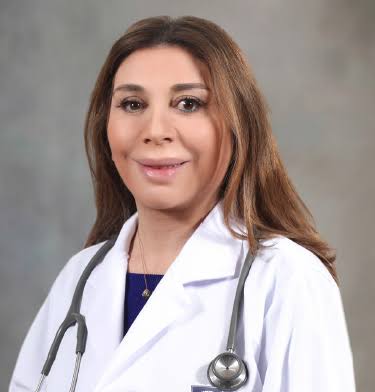
Rima Moghnie, MD
Dr. Moghnie, an infectious disease specialist and researcher, has practiced medicine in Lebanon since 1996. She has an extensive experience in treating immunocompromised patients in the field of hematology, oncology and hematopoietic stem cell transplantation at multiple tertiary-care hospitals for more than 20 years as well as in general infectious diseases clinical practice for more than 25 years. She held leadership roles in Infection Prevention and Control (IPC) and Antimicrobial Stewardship (AMS) in several tertiary-care hospitals. Currently, she serves as Professor of Clinical Medicine at the Lebanese American University in Beirut, also heading the Division of Infectious Diseases at the university’s medical center. As former president of the Lebanese Society for Infectious Diseases and Clinical Microbiology, her dedication to enhancing IPC practices in Lebanon spans since 2011, focusing on hand hygiene, antimicrobial resistance (AMR), and AMS. Since 2018, she has been a part-time consultant for the WHO, developing National Action Plans for AMR control in several Middle Eastern countries, including Lebanon, Syria, Kuwait, Libya, Tunisia and Somalia and UAE. Additionally, she acted as an external consultant for WHO, aiding in developing national IPC guidelines in countries like Lebanon, Iraq, Palestine, and Jordan. Prof. Moghnie has co-authored over 50 publications in reputable journals, notably contributing to national clinical guidelines for managing community-acquired pneumonia, febrile neutropenia, urinary tract infections, and complicated intra-abdominal infections. Her research interests encompass various fields of infectious diseases, including epidemiological studies, AMR surveillance, hospital-based IPC and AMS, and COVID-19 vaccinology. As an educator, Prof. Moghnie has provided strong clinical mentorship to fellows, residents and medical students rotating through tertiary care hospitals she has worked in from multiple reputed medical schools in Lebanon.
Abstract
This session reviews how rapid diagnostic tests can strengthen antimicrobial stewardship by improving the speed and accuracy of microbiological diagnosis, enabling earlier appropriate antimicrobial therapy, supporting antimicrobial de-escalation, reducing unnecessary antimicrobial exposure, and enhancing diagnostic stewardship when integrated into clinical workflows and microbiology laboratory practice.
Lecture 8: Rapid Diagnostic in Clinical Microbiology
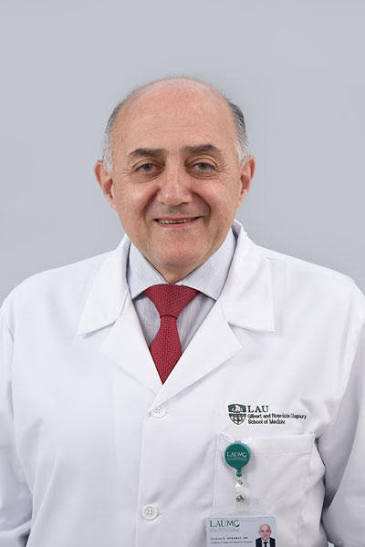
Jacques Mokhbat, MD, FACP
Dr. Mokhbat is a Clinical Professor of Medicine at the Lebanese American University (LAU) Gilbert & Rose-Marie Chagoury School of Medicine and former Chair of the Department of Internal Medicine at LAU Medical Center–Rizk Hospital. He earned his medical degree from Saint Joseph University in Beirut and completed advanced training in Clinical Microbiology in France, followed by residency training in Internal Medicine in New Jersey and a fellowship in Infectious Diseases at the University of Minnesota. He is American Board certified in Internal Medicine and Infectious Diseases. Dr. Mokhbat is internationally recognized for his leadership in HIV/AIDS care, infectious diseases, antimicrobial stewardship, and public health. He founded the Lebanese AIDS Society and the Lebanese Society for Infectious Diseases, Clinical Microbiology and Antimicrobial Chemotherapy, and has served as a consultant to the World Health Organization on HIV/AIDS initiatives across the Middle East and North Africa. A distinguished clinician, educator, and researcher, he has held several academic leadership positions, including Associate Dean for Graduate Medical Education at LAU. In 2023, he was honored by the World Health Organization as a Health Champion in recognition of his outstanding contributions to public health and infectious diseases in Lebanon.
Abstract
The landscape of clinical microbiology has undergone a profound transformation with the introduction of rapid and molecular diagnostic technologies. Conventional culture-based methods, while remaining essential, are often limited by prolonged turnaround times that can delay targeted clinical interventions. Advances in molecular diagnostics, including multiplex polymerase chain reaction (PCR), syndromic panels, nucleic acid amplification tests, whole-genome sequencing, and metagenomic next-generation sequencing, have significantly improved the speed, sensitivity, and accuracy of pathogen detection and antimicrobial resistance identification.
These technologies are fundamental to the practice of precision medicine, enabling clinicians to tailor antimicrobial therapy based on the specific pathogen and its resistance profile rather than relying on empiric treatment alone. Rapid diagnostics facilitate earlier optimization of therapy, support antimicrobial stewardship initiatives, reduce unnecessary broad-spectrum antibiotic use, shorten hospital stays, and improve patient outcomes while helping combat antimicrobial resistance.
Despite these advances, challenges remain, including diagnostic stewardship, interpretation of complex molecular results, cost considerations, and integration into clinical workflows. Successful implementation requires close collaboration among microbiologists, infectious disease specialists, pharmacists, and frontline clinicians.
This presentation will review current rapid and molecular diagnostic platforms, discuss their clinical applications and limitations, and highlight their pivotal role in advancing precision medicine through timely, evidence-based, and individualized patient care.
Lecture 9: Rapid Diagnostic and Precision Medicine
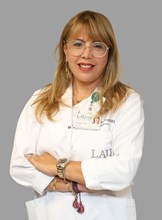
Rita Feghali, MD
Dr. Feghali is a clinical pathologist with a subspecialty in Transfusion Medicine from University Paris VI and a master’s degree in public health.
She is currently holding the position of acting chair of department of laboratory medicine and blood bank at Lebanese American University Medical Center-Rizk Hospital and is clinical assistant professor at the Lebanese American University Gilbert and Rose Marie Chagoury School of Medicine.
She has also been a medical consultant for the blood services of the Lebanese Red Cross since 2015.
Since 2011, she has served as the coordinator of the National Committee of Blood Transfusion, playing a pivotal role in developing national good transfusion practices and implementing blood bank qualifications across Lebanon.
Dr. Feghali has also held leadership positions within professional organizations, including several years on the executive committee of the “Syndicat des Biologistes” in Lebanon. She is a member of the American Association of Blood Banks (AABB), the International Society of Blood Transfusion (ISBT), and serves on the executive committee of the Société Francophone de Transfusion Sanguine.
In addition, Dr. Feghali has provided consultancy services to the World Health Organization (WHO) and the World Bank, particularly in the areas of laboratory and transfusion medicine and she has been an active speaker at national and regional meetings.
Abstract
This session explores the expanding role of the clinical laboratory in precision medicine, highlighting the shift from one-size-fits-all care toward individualized prevention, diagnosis, treatment selection, and monitoring guided by laboratory and molecular data. Through examples from genetic disease, oncology, hematology, transplant medicine, cardiovascular disease, neurology, autoimmune disease, and infectious disease, the session demonstrates how laboratory testing supports clinical decision-making across the patient journey.
By the end of this session, participants will be able to:
- Define precision medicine and explain why it depends on high-quality laboratory data.
- Describe the role of the clinical laboratory across five stages of care: prevention, early detection, diagnosis, treatment selection, and monitoring.
- Identify examples of laboratory tests that directly guide risk stratification, diagnosis, targeted therapy, or follow-up.
- Recognize key limitations to implementing precision medicine, including cost, complexity, turnaround time, interpretation challenges, and access.
Lecture 10: Innovative Devices in Preventing Infections
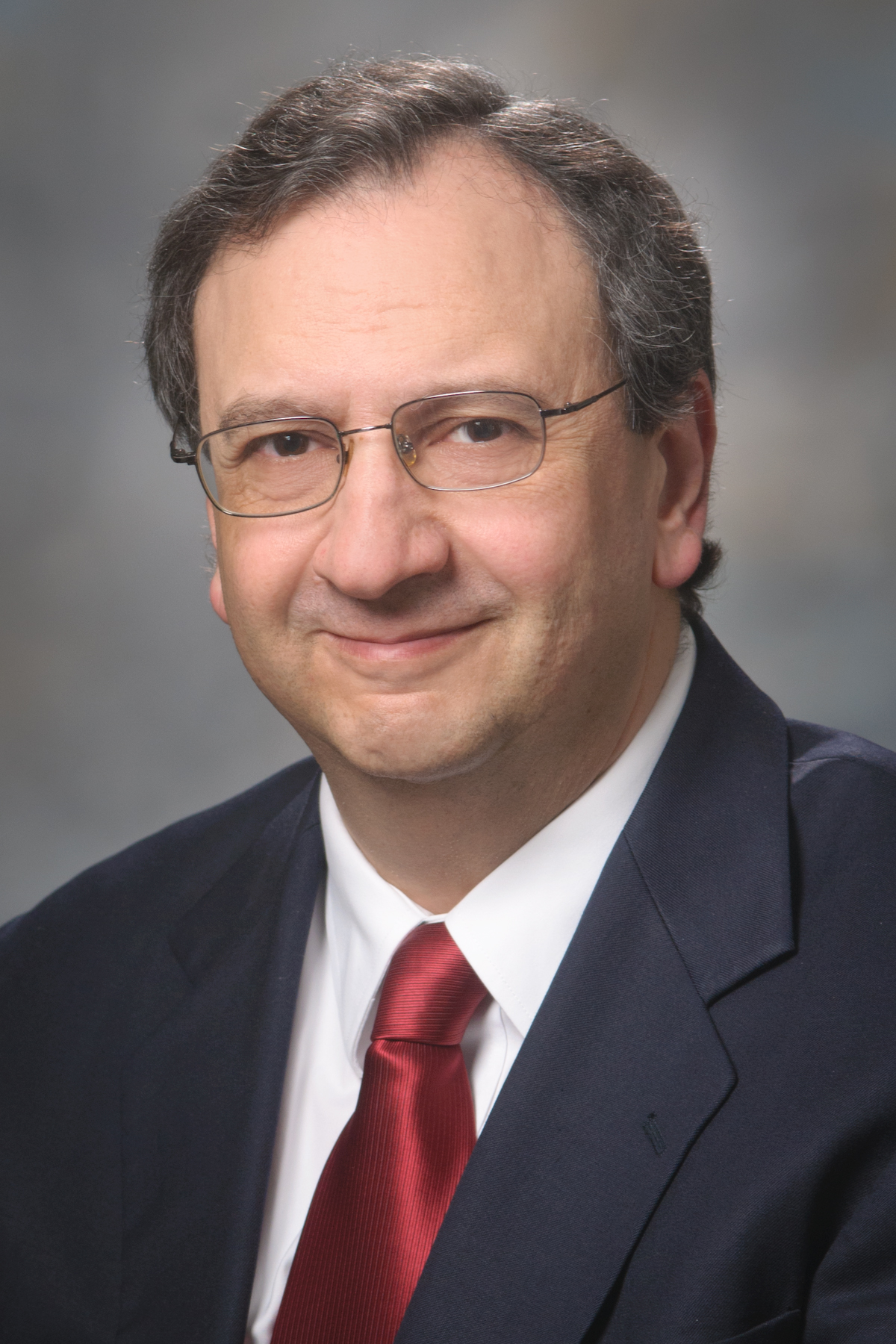
Issam Raad, MD, FACP, FIDSA, FSHEA
Dr. Raad is a leading expert in the field of healthcare and device related infections as well as infections in cancer on a worldwide basis. Dr. Raad chaired the Department of Infectious Diseases, Infection Control & Employee Health at MD Anderson (MDA) for 21 years (2000-2021). He is currently an Endowed Distinguished Chair & Professor of Medicine in the same department. For more than three decades at MDA, he has made numerous milestone innovative research contributions including the development of antimicrobial devices (from vascular catheters, urologic implants, ventricular/ central nervous system devices, pacemakers, and various surgical grafts) leading to significant improvements in preventing life-threatening device related and bloodstream infections in high-risk patients. His development of innovative antimicrobial central venous catheters and antimicrobial catheter lock solutions has significantly reduced the risk of bloodstream infections worldwide. In the most recent CDC Guidelines, Dr. Raad’s innovations have been recommended at the highest level (Category 1A) for the prevention of healthcare associated bloodstream infections. Dr. Raad has published more than 530 scientific articles in peer-reviewed journals and 41 book chapters. Dr. Raad’s studies have been highly cited (H-index score: 95; 46,092 citations/Scopus 2000-2025) and holds over 120 issued patents. Most of this technology has been transferred from the bench to bedside and is already applied to patient care.
Abstract
Implanted biomedical devices are a major source of healthcare-associated infections, often due to biofilm-forming microorganisms that are highly resistant to antimicrobial therapy and may require device removal. Over the past three decades, antimicrobial-impregnated medical devices—including vascular catheters, urologic implants, ventricular catheters, pacemakers, and surgical grafts—have been developed to reduce these infections. Large multicenter clinical trials have shown that these technologies significantly lower infection rates, morbidity, mortality, and healthcare costs, leading to their adoption as standard of care and recommendation by the U.S. Centers for Disease Control and Prevention (CDC).
A major innovation has been antimicrobial central venous catheters. First-generation minocycline-rifampin catheters markedly reduced catheter-related bloodstream infections, while newer-generation devices provide broader protection against multidrug-resistant bacteria and fungi. In addition, antimicrobial lock solutions have demonstrated promising results in preventing and managing bloodstream infections in patients requiring long-term vascular access. Together, these advances represent significant progress toward minimizing device-related infections and improving patient outcomes.
Workshop: FAST Ultrasound in Emergencies
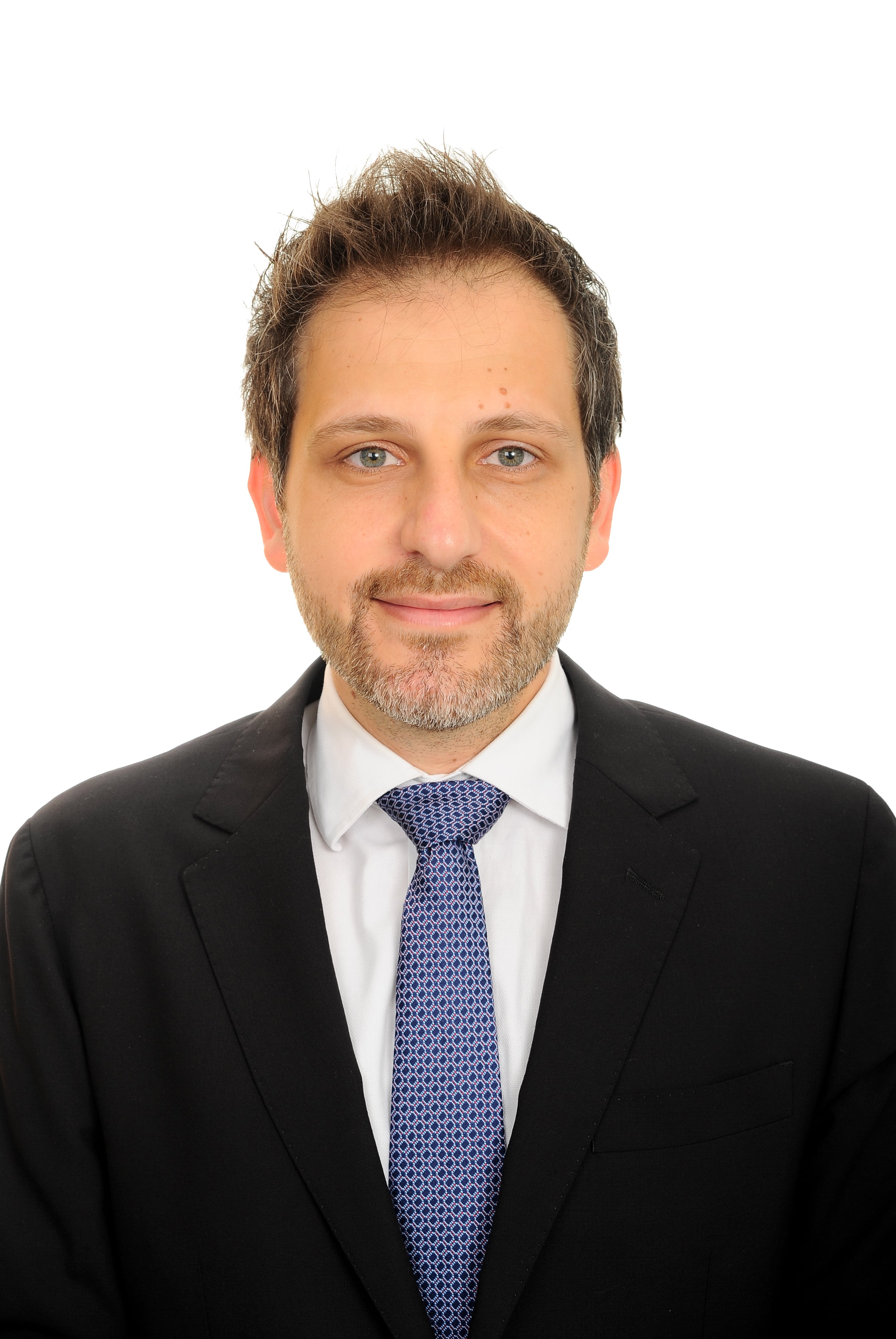
Ralphe Bou Chebl, MD
Dr. Bou Chebl is an American board certified Emergency Medicine consultant. He completed his residency at Henry Ford hospital and did an Emergency ultrasound fellowship at Baylor College of Medicine. He joined the American University of Beirut in 2014 as an Assistant Professor of Emergency Medicine. He was the Residency program director from 2018 till 2021. He is currently an associate professor at the American University of Beirut and is the founding director of the Emergency Ultrasound fellowship as well as the Ultrasound director for the emergency department.
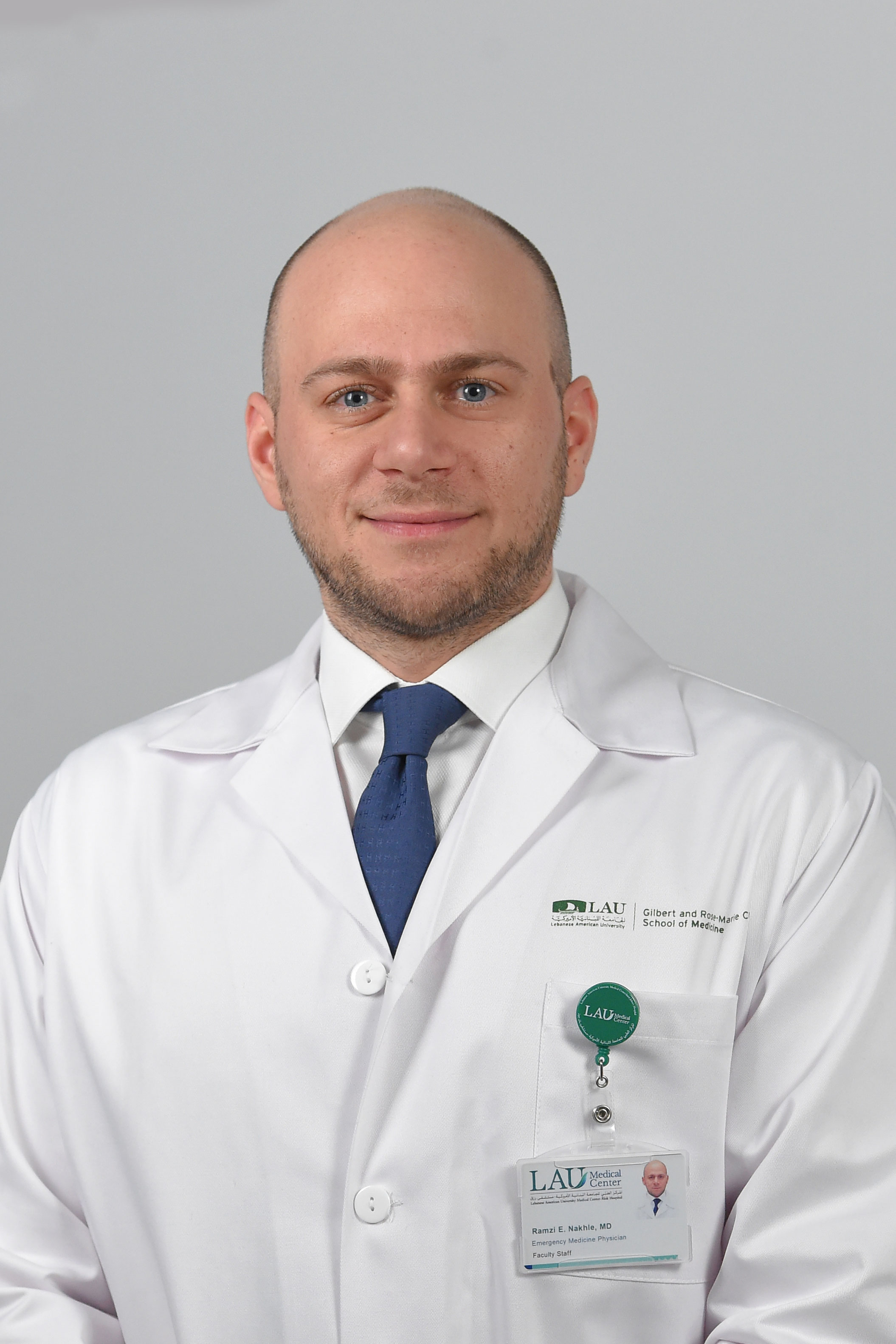
Ramzi Nakhle, MD
Dr. Nakhle is an Emergency Medicine specialist and an expert in Point of Care Ultrasound (POCUS). He received his medical degree from the LAU - Gilbert and Rose Marie Chagoury School of Medicine in 2016, followed by a four-year residency in Emergency Medicine where he served as Chief Resident during his final year of training. He then underwent an intensive fellowship in Emergency Medicine Ultrasound at the McGill University in Montreal, Canada. He is a certified member of the Canadian Point of Care Ultrasound Society (CPOCUS), the Canadian Association of Emergency Physicians (CAEP) and a Licentiate of the Medical Council of Canada (LMCC). He then joined the full-time faculty of the LAU Gilbert and Rose-Marie Chagoury School of Medicine, with appointments at both LAU Medical Center-Rizk Hospital and LAU Medical Center-Saint John’s Hospital.
Abstract
By the end of this workshop, participants will be able to understand the indications and limitations of the Focused Assessment with Sonography in Trauma (FAST) examination, identify the standard FAST views, acquire and optimize diagnostic images, recognize free intraperitoneal and pericardial fluid, detect sonographic signs of pneumothorax, and integrate FAST findings into the initial assessment and management of trauma patients.