Speakers and Abstracts
(Speakers are listed in the order of the programs’ sessions)Friday, October 16, 2026 at the LAU Medical Center-Rizk Hospital, Auditorium
Lecture 1: 1st Live Case Transmission & Interactive Discussion - TAVI in our Daily Practice
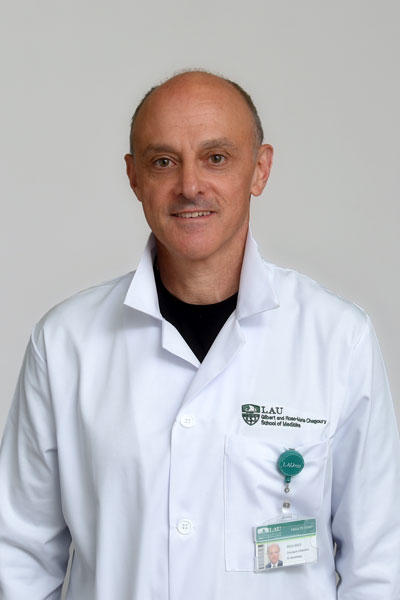
Georges Ghanem, MD, FESC, FACC
Dr. Ghanem obtained his MD degree from Saint Joseph University in Lebanon in 1985, followed by Cardiology residency and fellowship training in Paris and additional training in the United States.
A pioneer in interventional cardiology in Lebanon since 1993, he has authored more than 70 publications. He was elected President of the Lebanese Society of Cardiology in 2005 and became a Fellow of the European Society of Cardiology in 2006 and the American College of Cardiology in 2007.
At LAU, Dr. Ghanem was appointed Chief Medical Officer of LAU Medical Center-Rizk Hospital in 2016 and promoted to Full Professor of Cardiology at the LAU Gilbert and Rose-Marie Chagoury School of Medicine in 2017. In 2023, he was appointed Deputy CEO for Strategy & Development. He also holds professional certificates in Strategic Health Planning and Management and Leadership.
During the COVID-19 pandemic, Dr. Ghanem played an active national role through the LAU mobile clinic, supporting awareness, PCR testing, and vaccination efforts across Lebanon.
Beyond his clinical and academic roles, Dr. Ghanem is a master in martial arts, with extensive experience in sports and health counseling and war medicine.
Abstract
Learners will explore the use of transcatheter mitral valve replacement (TMVR) through clinical cases representing three different clinical settings. Through case-based discussion, learners will analyze the challenges and difficulties encountered in each clinical scenario, identify factors that may influence treatment decisions and outcomes, and discuss potential strategies to address these challenges. The session will also examine current limitations in TMVR and discuss potential solutions and future technological developments needed to improve procedural feasibility, patient selection, and clinical outcomes.
Lecture 2: TAVI: Mid to Long Term Data & Future Technical Perspectives
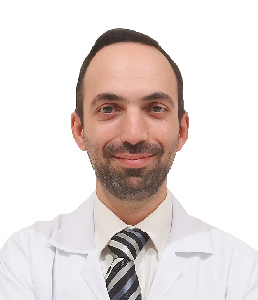
Wassim Shatila, MD
Dr. Shatila is an interventional cardiologist and Head of the Structural Heart Program at Clemenceau Medical Center. He completed his medical education and postgraduate training at the American University of Beirut, Duke University Medical Center, Baylor College of Medicine, and Texas Heart Institute. His clinical expertise includes interventional cardiology, structural heart disease interventions, peripheral vascular interventions, and advanced interventional techniques. Dr. Shatila has also been involved in clinical research and academic activities. His expertise in structural heart interventions is particularly relevant to the management of complex cardiovascular conditions and the application of advanced transcatheter therapies.
Lecture 3: TAVI & CAD: Is There Any Consensus?
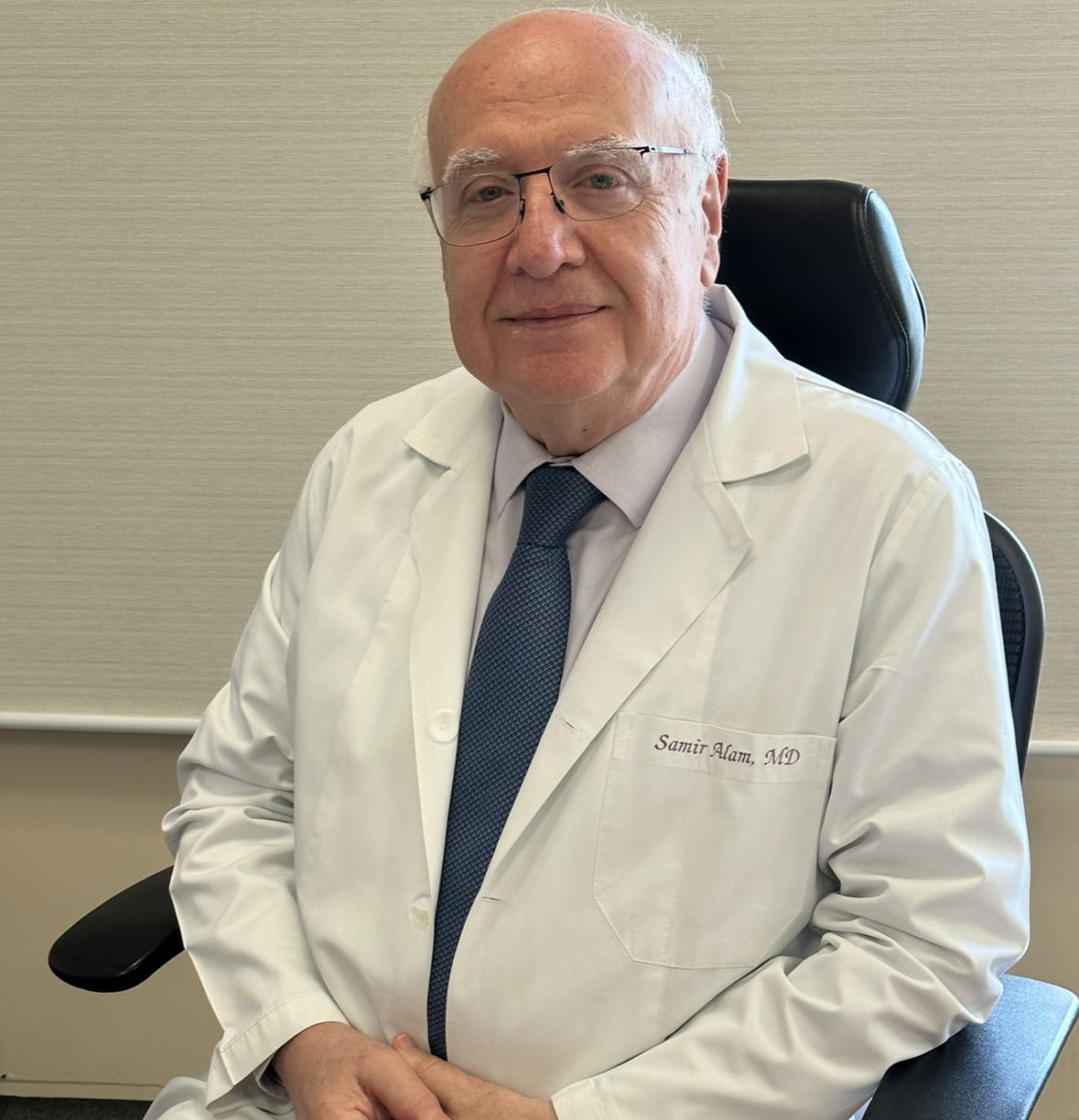
Samir Alam, MD,
Dr. Alam is Professor of Medicine and Interventional Cardiology at the American University of Beirut (AUB), where he also serves as Associate Vice President for Health and Chief of Staff at AUB Faculty of Medicine and Medical Center. His clinical and academic expertise includes coronary physiology and coronary artery disease, with particular interest in coronary inflammation, coronary microvascular disease, acute ischemic heart disease, and acute coronary syndromes.
Dr. Alam has extensive experience in interventional cardiology and cardiovascular research. His academic work includes guest-editing special issues addressing coronary microcirculation in health and disease and coronary artery disease beyond obstructive disease.
Abstract
Learners will examine the assessment and management of coronary artery disease (CAD) in patients with severe aortic stenosis undergoing transcatheter aortic valve implantation (TAVI). Through a review of current evidence and clinical considerations, learners will explore the challenges of evaluating both obstructive and non-obstructive CAD in this population, including the impact of left ventricular hypertrophy, myocardial fibrosis, and concomitant cardiac conditions on coronary physiology and functional assessment. Learners will also discuss the emerging role of advanced noninvasive imaging and artificial intelligence–assisted plaque characterization in the assessment of coronary disease. The session will address the current uncertainties regarding the timing and role of percutaneous coronary intervention before or after TAVI, including the potential risks and benefits of concomitant procedures. By the end of the session, learners will be better prepared to integrate patient-specific clinical factors and available evidence when developing individualized management strategies for patients with concomitant CAD and severe aortic stenosis.
Lecture 4: TAVI: Challenging Patterns in TAVI: ViV, ViTAVI
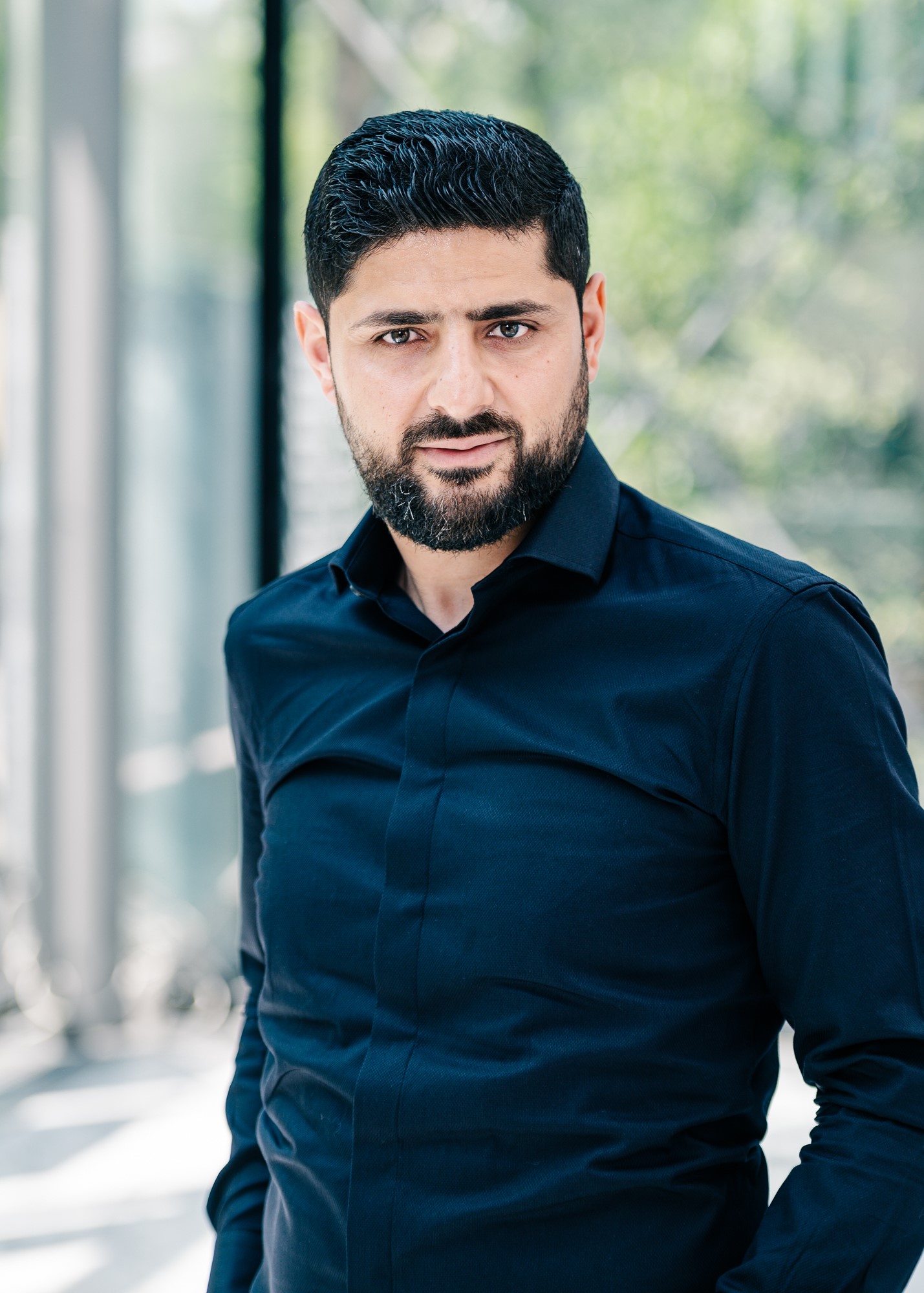
Alaa Masri, MD
Dr. Masri is an experienced interventional cardiologist specializing in complex coronary and structural heart interventions.
He currently works at Institut Medico-Chirugical Montsouris in Paris as a coronary and structural heart disease interventional cardiologist and serves as Medical Manager of the International Department.
His expertise includes complex PCI and chronic total occlusion (CTO) interventions using antegrade and retrograde techniques, intracoronary imaging with IVUS and OCT, and a broad range of structural procedures including TAVI, TMVR, MitraClip, TriClip, left atrial appendage closure, ASD/PFO closure, paravalvular leak closure, balloon mitral valvuloplasty, TPVI and transcatheter tricuspid valve implantation.
He also has significant experience in cardiac CT imaging for structural heart disease.
He Is serving as consultant for structural heart disease for many companies.
He has also contributed to several scientific publications, book chapters and international cardiovascular meetings, with particular interests in TAVI, CTO, structural heart interventions and advanced interventional techniques.
Lecture 5: 2nd Live Case Transmission & Interactive Discussion Live in a Box (LAUMC-RH): TAVI
Georges Ghanem, MD, FESC, FACC
Abstract
Case-based discussion of a patient with severe aortic stenosis, LAD coronary artery disease, syncope, and intracranial bleeding, focusing on Heart Team decision-making regarding TAVI timing, PCI sequencing, prosthesis selection, and key implantation considerations.
Learner Objectives
By the end of this session, participants will be able to:
- Discuss management strategies for severe aortic stenosis with concomitant coronary artery disease.
- Compare PCI before, during, or after TAVI.
- Identify factors influencing TAVI prosthesis selection and implantation.
Lecture 6: 3rd Live Case Transmission (From Europe-Brno, Czech Republic) & Interactive Discussion
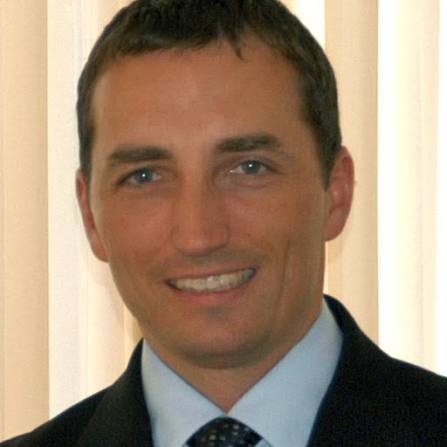
Jan Sitar, MD
Dr. Sitar is Head of the Invasive and Interventional Cardiology Department at St. Ann’s University Hospital Brno, Czech Republic. He specializes in interventional and clinical cardiology, with expertise in myocardial infarction, heart failure, cardiomyopathies, and advanced cardiovascular interventions. Dr. Sitar has contributed to clinical research in interventional cardiology and cardiovascular disease, including recent work on interventional treatment approaches for hypertrophic obstructive cardiomyopathy.
Lecture 7: TAVI: How to Deal with Peripheral Arteries Disease
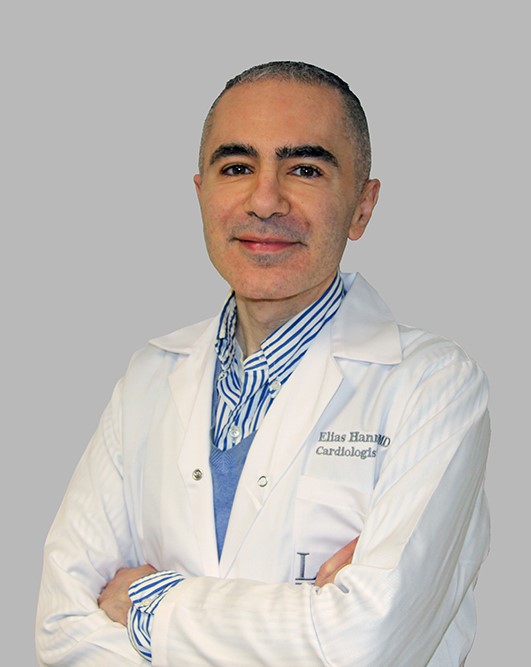
Elias Hanna, MD
Dr. Hanna is Clinical Professor of Cardiology and Interventional Cardiology at the Lebanese American University Gilbert and Rose-Marie Chagoury School of Medicine. He is board-certified in Cardiovascular Disease and Interventional Cardiology and specializes in complex percutaneous coronary interventions, cardiovascular hemodynamics, and complex cardiovascular cases. He is also an active educator and author of several cardiology textbooks.
Lecture 8: The Kaleidoscope
Georges Ghanem, MD, FESC, FACC
Abstract
By the end of this session, learners will be able to analyze practical clinical cases and identify key factors influencing diagnosis and management, evaluate management strategies for complex cardiovascular procedures based on individual patient and procedural considerations, apply appropriate approaches to the recognition and management of complications arising during or after complex procedures, and integrate key clinical lessons from each case into their clinical practice.
Lecture 9: New Trends in LAAO
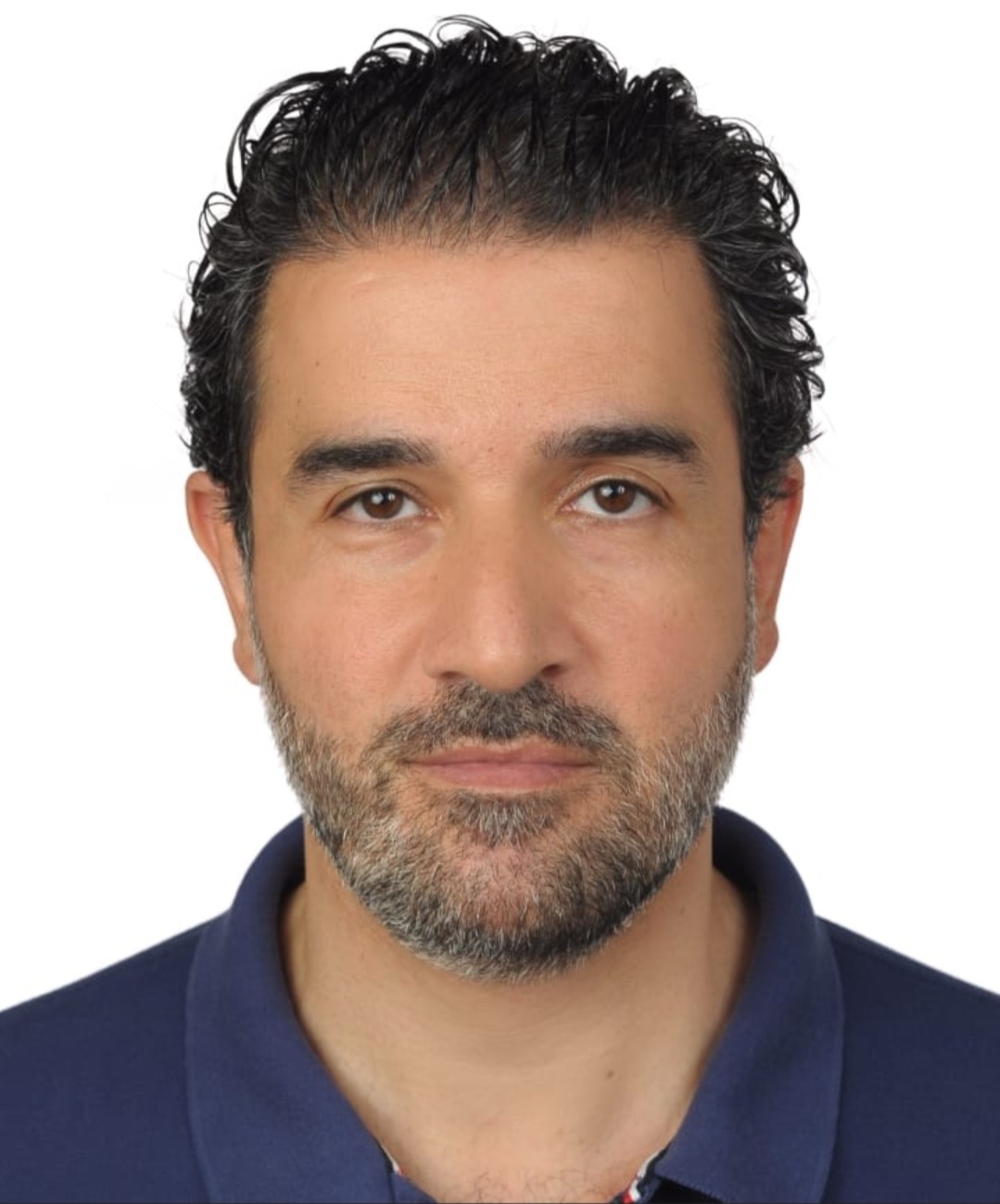
Johnny Abboud, MD
Dr. Abboud is Clinical Assistant Professor in the Department of Internal Medicine, Division of Cardiology at the LAU Gilbert and Rose-Marie Chagoury School of Medicine and director of the Cardiology Fellowship program since 2021.
He has a diploma of cardiac electrophysiology and a diploma of cardiac ultrasound from the University of Paris.
Dr. Abboud has more than 15 years experience in invasive cardiac electrophysiology interventions from the implantation of electronic intra-cardiac devices to ablation of complex cardiac arrhythmias.
Lecture 10: Mitral & Tricuspid Regurgitation
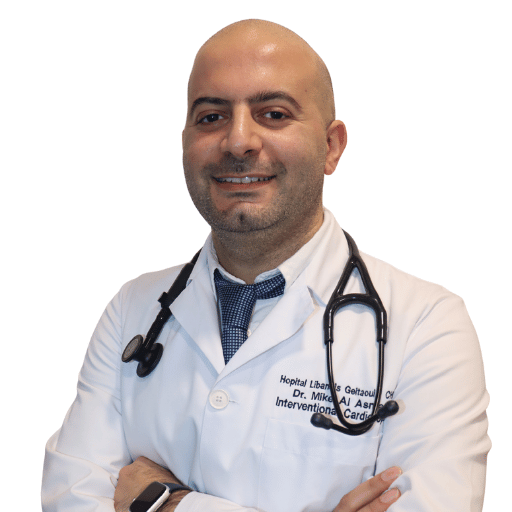
Mike El Asmar, MD, DRCPSC
Dr. El Asmar is a cardiologist with expertise in interventional and structural cardiology at the American University of Beirut Medical Center. His clinical and academic interests include advanced transcatheter interventions and structural heart disease, with contributions to clinical research in the field.

Victor Gebara, MD
Dr. Gebara is a Professor at the Faculty of Medicine of Saint Joseph University and a cardiovascular and thoracic surgeon at Hôtel-Dieu de France. He has extensive experience in cardiovascular surgery and has been involved in cardiovascular research and education. He is also a member of Heartbeat, an organization supporting children with congenital heart disease in Lebanon.
Saturday, October 17, 2026 at the LAU Medical Center-Saint John’s Hospital, Auditorium
Lecture 1: Redefining Cardiovascular Prevention in the Cardiometabolic Era
Lecture 2: Beyond Statins: Tackling Residual Lipid Risk in Cardiovascular Prevention
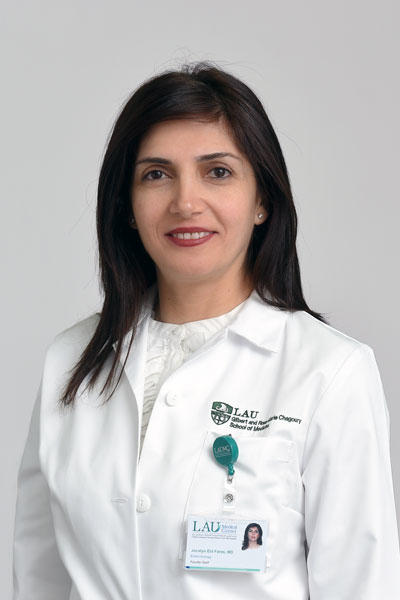
Jocelyne Eid Fares, MD
Dr. Eid Fares is a Clinical Assistant Professor in the Division of Endocrinology at the Lebanese American University Gilbert and Rose-Marie Chagoury School of Medicine and Clerkship Director in Internal Medicine. She specializes in diabetes, endocrinology, and metabolism, with clinical and academic interests including diabetes management, obesity, lipid disorders, thyroid and adrenal diseases, and calcium and bone metabolism. She holds an MD and a Master’s degree in Epidemiology from the American University of Beirut.
Abstract
By the end of this session, learners will be able to identify factors contributing to residual cardiovascular risk despite statin therapy, evaluate current evidence for ezetimibe, PCSK9 inhibitors, inclisiran, and other lipid-lowering strategies, differentiate lipid-lowering approaches according to primary and secondary prevention settings, and apply patient-specific factors including cardiovascular risk, LDL-C targets, treatment response, adherence, cost, and access when selecting and sequencing lipid-lowering therapies.
Lecture 3: Obesity, Diabetes and Cardiovascular Risk: From Weight Loss to Cardiovascular Protection
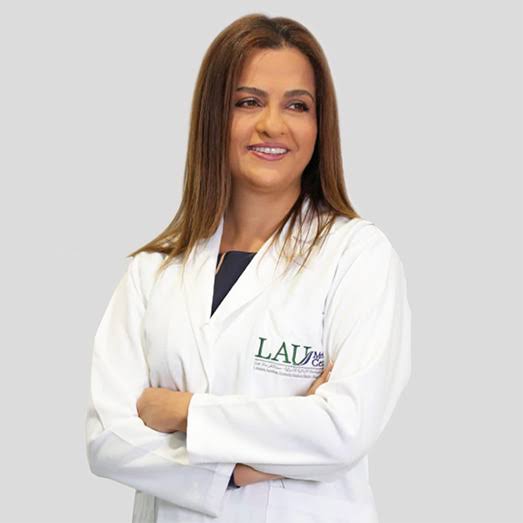
Elizabeth Abou Jaoude, MD
Dr. Abou Jaoude is an Assistant Professor at the Lebanese American University Gilbert and Rose-Marie Chagoury School of Medicine and Holy Spirit University of Kaslik. She is a consultant endocrinologist with expertise in diabetes, obesity, and metabolic disorders. She completed her endocrinology training in France and Belgium and has clinical and academic experience in diabetes care and multidisciplinary obesity management.
Abstract
By the end of this session, learners will be able to describe the interrelationship between obesity, diabetes, and cardiovascular disease, evaluate evidence regarding the cardiovascular effects of GLP-1 receptor agonists and emerging dual and multi-agonist therapies beyond glycemic control and weight reduction, identify patients who may benefit from these therapies for cardiovascular risk reduction, and apply patient-specific considerations including efficacy, tolerability, adverse effects, cost, and long-term adherence when integrating metabolic therapies into cardiovascular prevention.
Lecture 4: Cardiovascular–Kidney–Metabolic Syndrome: A New Framework for Cardiovascular Prevention
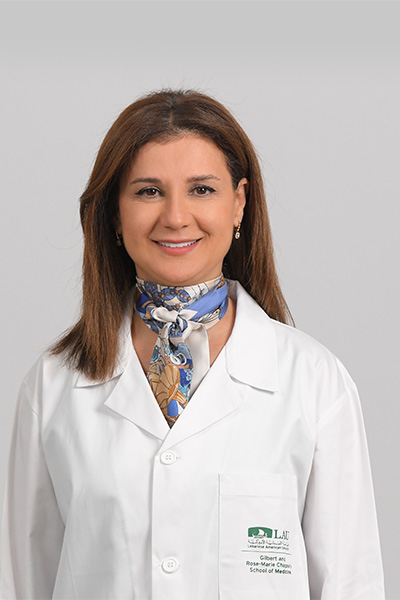
Sola Aoun Bahous, MD, PhD, MHPE
Dr. Aoun Bahous is Professor of Medicine and Dean of the Gilbert and Rose-Marie Chagoury School of Medicine at Lebanese American University. She is a nephrologist with expertise in hypertension, cardiovascular hemodynamics, and arterial stiffness. Her academic and clinical interests include the evaluation and management of complex and resistant hypertension, chronic kidney disease, and cardiovascular risk. She holds a PhD in Cardiovascular Pharmacology from Pierre and Marie Curie University, Paris, and a Master’s in Health Professions Education from the University of Illinois at Chicago.
Abstract
By the end of this session, learners will be able to identify the clinical features and stages of cardiovascular–kidney–metabolic (CKM) syndrome, evaluate the interactions among obesity, diabetes, hypertension, chronic kidney disease, and cardiovascular disease, recognize kidney disease as both a marker of cardiovascular risk and a target for intervention, and apply an integrated approach to risk assessment and management using blood pressure, kidney function, albuminuria, glucose, lipids, adiposity, and evidence-based cardioprotective therapies.
Lecture 5: Sleep Apnea and Cardiovascular Disease: The Hidden Risk Factor
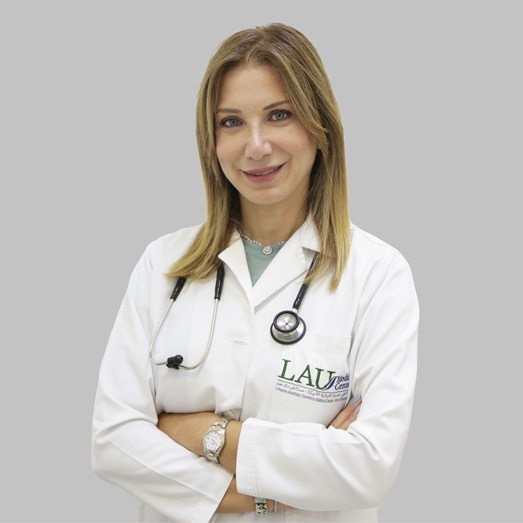
Jocelyne Sassine, MD
Dr. Sassine is a Clinical Instructor in the Division of Pulmonary Diseases at the Lebanese American University Gilbert and Rose-Marie Chagoury School of Medicine and serves as Clerkship Director for the Continuity Experience. She specializes in pulmonary diseases and sleep medicine, with clinical expertise in respiratory conditions and sleep-related disorders.
Abstract
By the end of this session, learners will be able to recognize obstructive sleep apnea as a potentially modifiable cardiovascular risk factor, describe the mechanisms linking sleep-disordered breathing with hypertension and cardiovascular disease, identify patients who may benefit from screening and diagnostic evaluation, and evaluate current evidence regarding CPAP and other treatment strategies in cardiovascular risk reduction, particularly among patients with resistant hypertension and metabolic disease.
Lecture 6: Renal Denervation in Hypertension: Who Should Be Treated and What Does the Evidence Show?
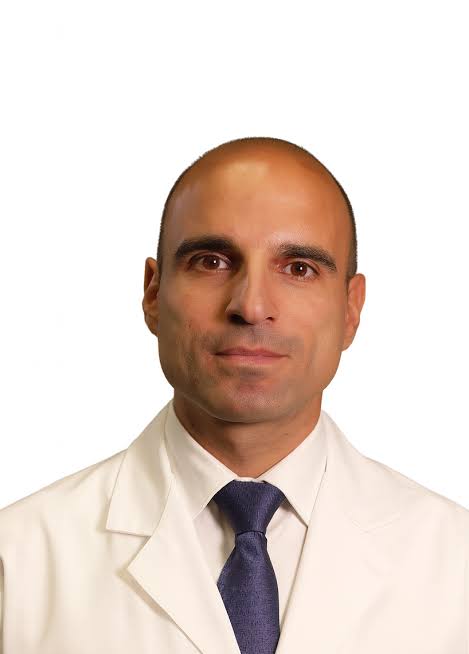
Emile Mehanna, MD, FACC, FSCAI
Dr. Mehanna is Clinical Assistant Professor of Cardiology and Director of the Cardiology Fellowship Program at the Lebanese American University Gilbert and Rose-Marie Chagoury School of Medicine. He is a board-certified interventional cardiologist and vascular specialist with expertise in advanced percutaneous coronary interventions and intravascular imaging, including optical coherence tomography (OCT). His academic and research interests focus on contemporary interventional techniques for coronary and vascular disease.
Abstract
By the end of this session, learners will be able to describe the role of the renal sympathetic nervous system in hypertension, evaluate contemporary evidence regarding the efficacy and safety of renal denervation, identify patients who may be appropriate candidates for the procedure after confirmation of uncontrolled hypertension and optimization of medical therapy, and compare renal denervation with pharmacological intensification when developing individualized treatment strategies.
Lecture 7: IVUS or OCT? Choosing the Right Eyes for the Right Lesion
Emile Mehanna, MD, FACC, FSCAI
Abstract
By the end of this session, learners will be able to identify clinical and lesion characteristics that warrant intracoronary imaging during PCI, compare the strengths and limitations of IVUS and OCT, interpret imaging findings relevant to lesion assessment, lesion preparation, stent sizing, and post-PCI optimization, and apply intracoronary imaging findings to procedural decision-making in complex lesions including left main disease, bifurcations, long and calcified lesions, and stent failure.
Lecture 8: Beyond FFR and iFR: Which Physiology Test Should I Use?
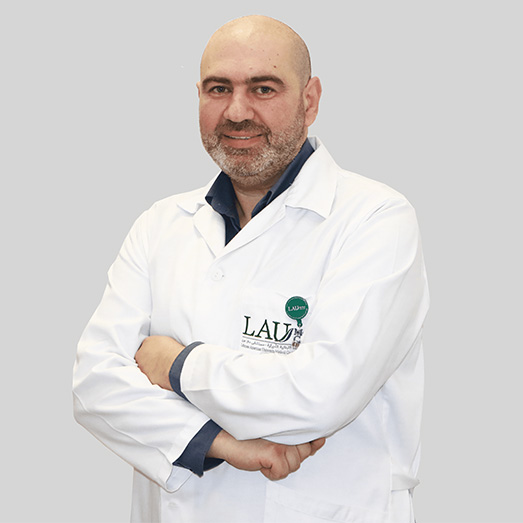
Marc Abboud, MD
Dr. Abboud is an Instructor of Clinical Medicine at the Lebanese American University Gilbert and Rose-Marie Chagoury School of Medicine and an interventional cardiologist at LAU Medical Center–Saint John’s Hospital. His clinical expertise includes interventional cardiology and percutaneous coronary intervention, with particular interest in contemporary and complex PCI techniques.
Abstract
By the end of this session, learners will be able to differentiate the clinical applications and limitations of FFR, iFR, QFR, and CT-FFR, identify situations in which physiological assessment can support decision-making despite angiographic findings, evaluate the strengths and limitations of wire-based, angiography-derived, and CT-derived physiological assessment, and apply an integrated approach using anatomy, physiology, and imaging to guide revascularization decisions in intermediate lesions, multivessel disease, and serial stenoses.
Lecture 9: The Calcium Challenge: Rotational Atherectomy, Orbital Atherectomy or Lithotripsy?
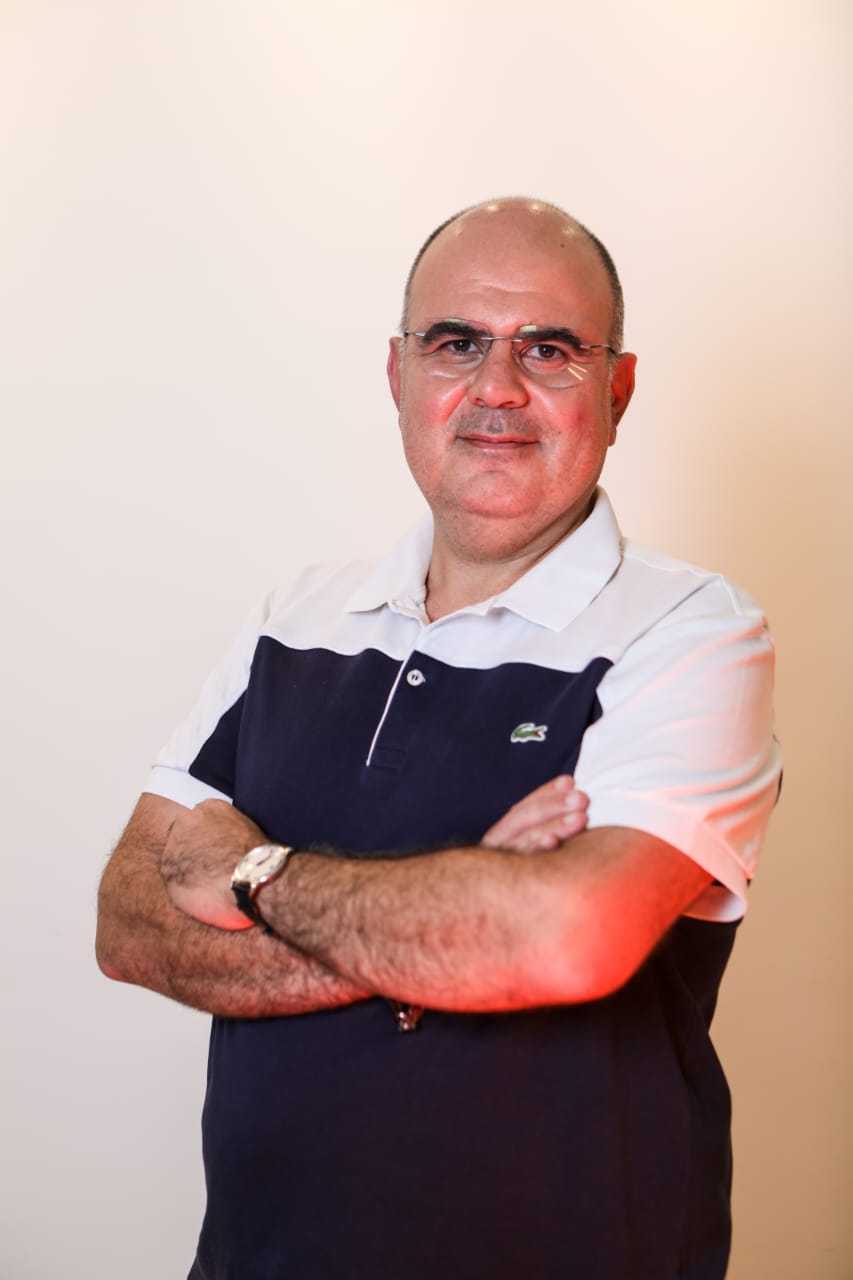
Charbel Naim, MD
Previous Fellow of Interventional & Structural Cardiology at Milan’s San Raffaele Hospital/Antonio Colombo and Centre cardiovasculaire du Centre Hospitalier de l’Université de Montréal.
Dr. Naim accomplished, authored and co-authored original research published in peer-reviewed journals (JACC, CCI, EuroIntervention, JACC-CI, AJC, AJP-Heart and circulatory physiology, CJC,…) and presented at major conferences with several awards.
Currently Assistant Professor of Clinical Medicine at the LAU Gilbert and Rose-Marie Chagoury School of Medicine and practicing Interventional & Structural Cardiologist.
Dr. Naim has particular interest in intravascular imaging and management of complex coronary pathologies in higher-risk patients.
Abstract
By the end of this session, learners will be able to recognize different patterns and phenotypes of coronary artery calcification, use intracoronary imaging to assess calcium severity and determine the need for lesion modification, compare the mechanisms, applications, and limitations of rotational atherectomy, orbital atherectomy, and intravascular lithotripsy, and select an appropriate calcium-modification strategy based on lesion characteristics, procedural requirements, and patient factors, including when combination strategies may be appropriate.
Lecture 10: Beyond the Stent: Drug-Eluting Balloons, Bioresorbable Scaffolds and the Future of “Leave Nothing Behind”
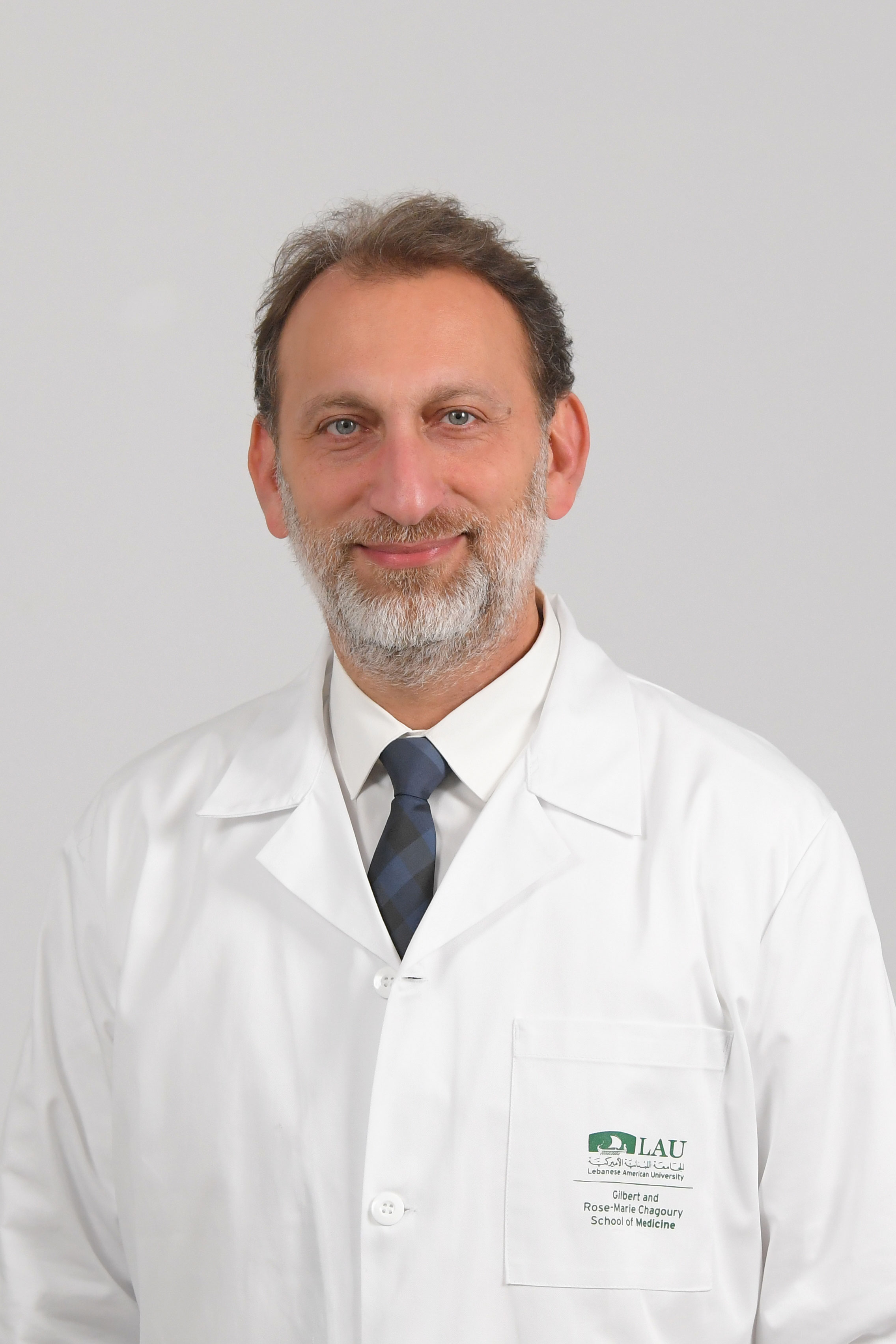
Robert Fakhoury, MD
Dr. Fakhoury is Clinical Assistant Professor of Cardiology and Chief of Section of Cardiology at the Lebanese American University Gilbert and Rose-Marie Chagoury School of Medicine and LAU Medical Center–Saint John’s Hospital. He is a general and interventional cardiologist with expertise in coronary artery disease, complex coronary interventions, structural heart disease, and advanced interventional techniques including IVUS, FFR, TAVR, and MitraClip. He also has academic interests in clinical cardiology and medical education.
Abstract
By the end of this session, learners will be able to describe the contemporary role of drug-coated balloons and bioresorbable scaffold technologies, identify clinical and lesion characteristics in which a “leave nothing behind” strategy may be considered, evaluate current evidence supporting established and emerging technologies, distinguish established clinical evidence from investigational approaches, and apply principles of lesion preparation, sizing, imaging, and post-dilatation when considering newer PCI technologies.
Lecture 11: The Bifurcation Dilemma: One Stent or Two? Choosing the Right Strategy for the Right Lesion
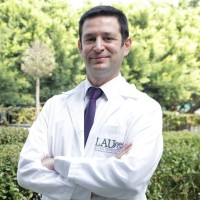
Fouad Hage, MD
Dr. Hage is an Assistant Professor of Clinical Medicine at the Lebanese American University Gilbert and Rose-Marie Chagoury School of Medicine and an interventional cardiologist at LAU Medical Center–Saint John’s Hospital. His clinical expertise includes interventional cardiology, coronary angiography, cardiac catheterization, and percutaneous coronary intervention (PCI). His academic and research interests include complex coronary interventions and contemporary approaches to coronary artery disease.
Abstract
By the end of this session, learners will be able to assess bifurcation anatomy and lesion characteristics, identify situations in which a provisional one-stent strategy or an upfront two-stent strategy may be appropriate, compare contemporary bifurcation techniques including DK-crush, culotte, and TAP, and apply principles of side-branch protection, POT, kissing balloon inflation, imaging, and strategy escalation to challenging bifurcation cases.
Lecture 12: Left Main PCI: From Patient Selection to Imaging-Guided Optimization
Charbel Naim, MD
Abstract
By the end of this session, learners will be able to evaluate clinical and anatomical factors influencing the choice between PCI and CABG in left main disease, identify appropriate approaches for assessing intermediate left main lesions, apply intracoronary imaging and physiological assessment to support treatment decisions, select PCI strategies according to ostial, shaft, and distal bifurcation anatomy, and evaluate the adequacy of left main PCI using imaging-guided optimization.
Lecture 13: CTO PCI in 2026: Which Strategy, Which Way In?
Elias Hanna, MD
Abstract
By the end of this session, learners will be able to assess CTO anatomy and procedural complexity, apply contemporary scoring systems and crossing algorithms to procedural planning, select between antegrade wire escalation, antegrade dissection/re-entry, and retrograde approaches based on lesion characteristics, recognize when a change in strategy is warranted, and integrate angiography, coronary CT, collateral assessment, and intravascular imaging to improve procedural efficiency and minimize radiation, contrast exposure, and complications.